|
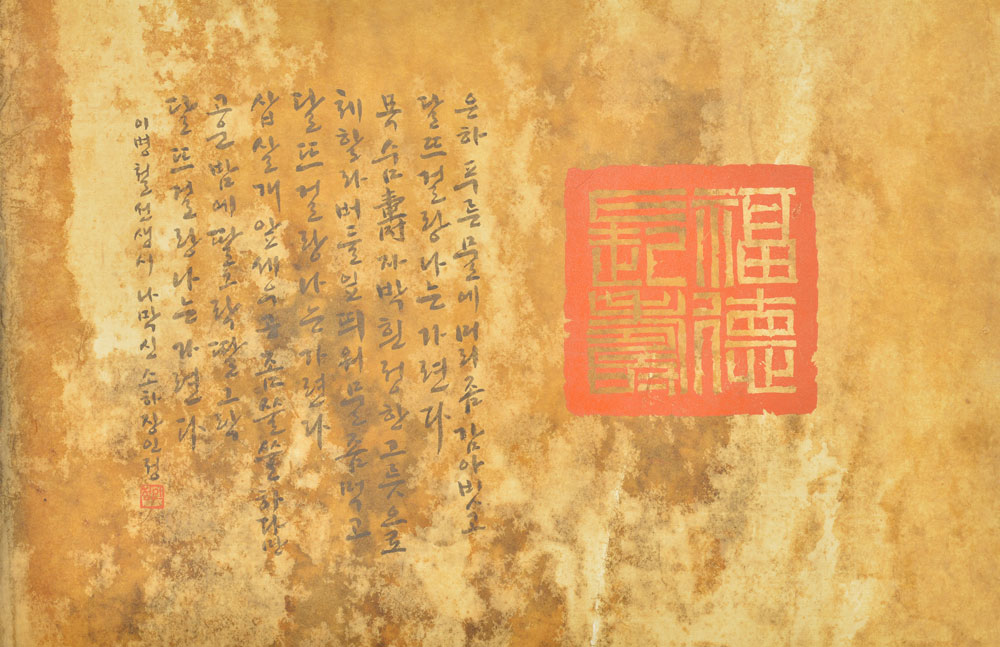
이병철 선생 시 나막신 / 45×35cm / 한지에 먹, 석인재
전각에서 회화로 확장된 축원의 언어
소정 장인정, 다섯 번째 개인전《福德長壽》개최
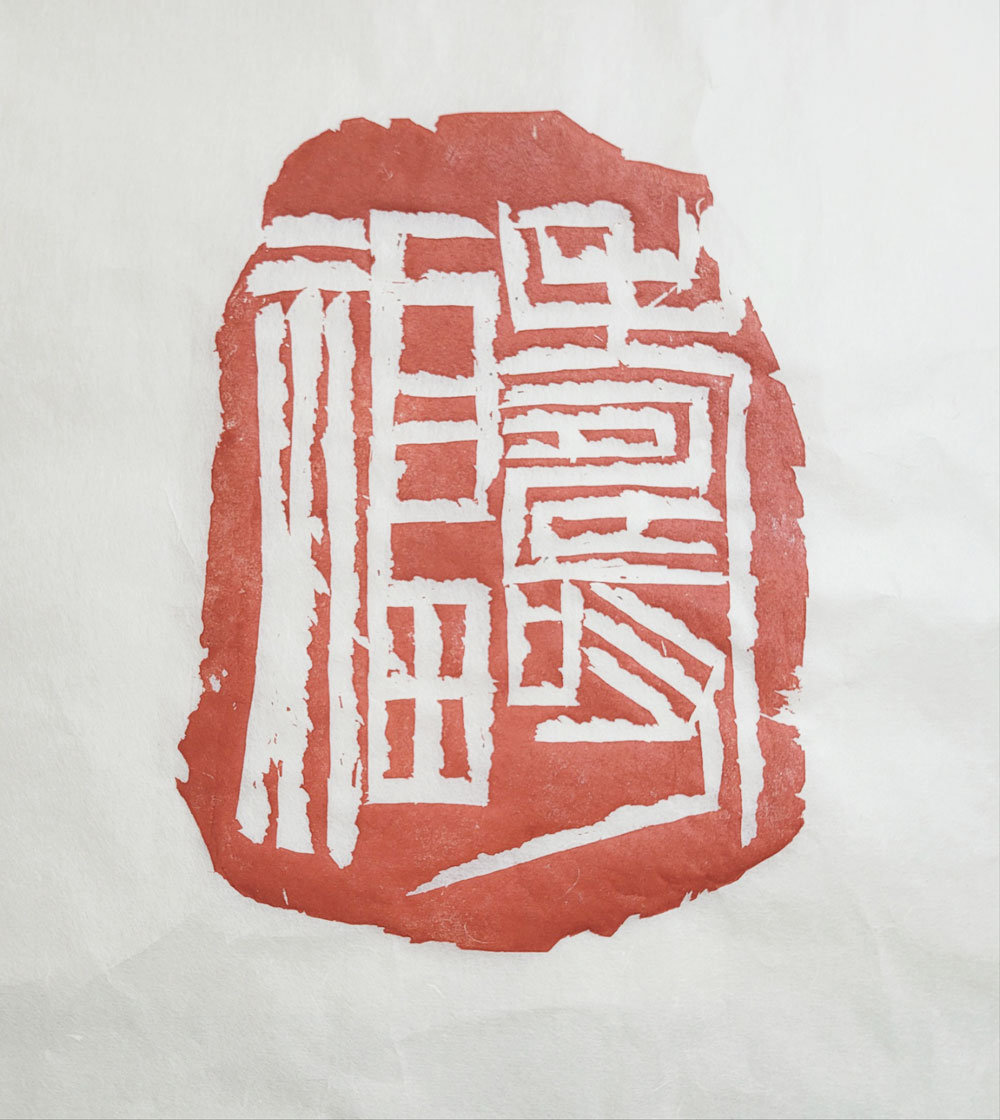
壽福 / 16×22cm / 석인재
전각(篆刻)은 돌이라는 단단한 재료 위에 문자와 정신, 그리고 시간을 함께 새겨 넣는 예술이다.
한 획을 새기기 위해 요구되는 긴 수련의 시간과 집중, 그리고 칼끝에 실리는 작가의 호흡은 단순한 조형 행위를 넘어 삶의 태도와 맞닿아 있다.
이러한 전각 예술의 본질을 깊이 있게 탐구해온 소정(素庭) 장인정 작가는 다섯 번째 개인전 《福德長壽(복덕장수)》를 통해, 전각에 뿌리를 둔 조형 언어를 회화적 사유로 확장한 작업 세계를 선보인다.
전시는 오는 12월 23일부터 28일까지 대구 봉산문화회관 2전시실에서 열린다.
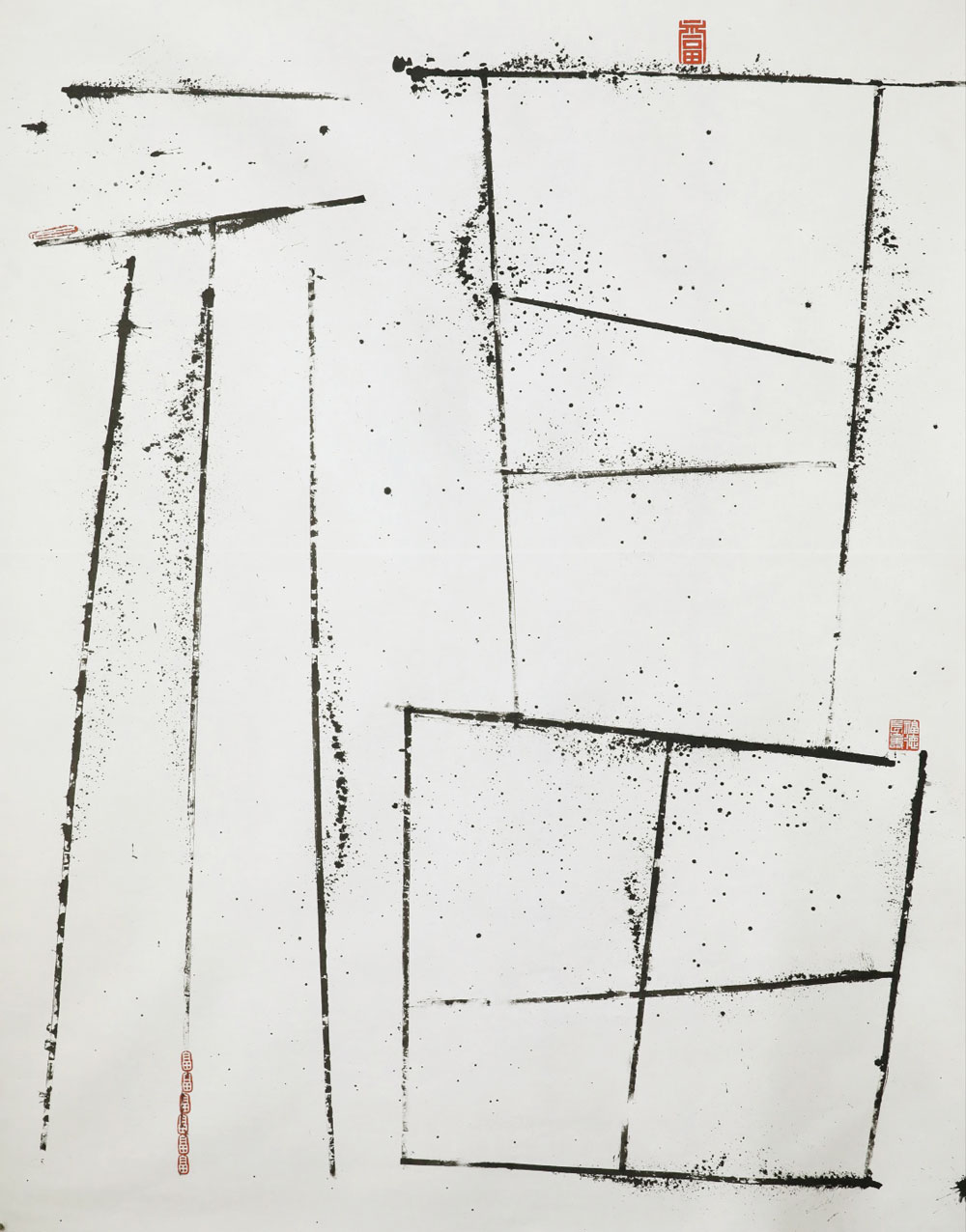
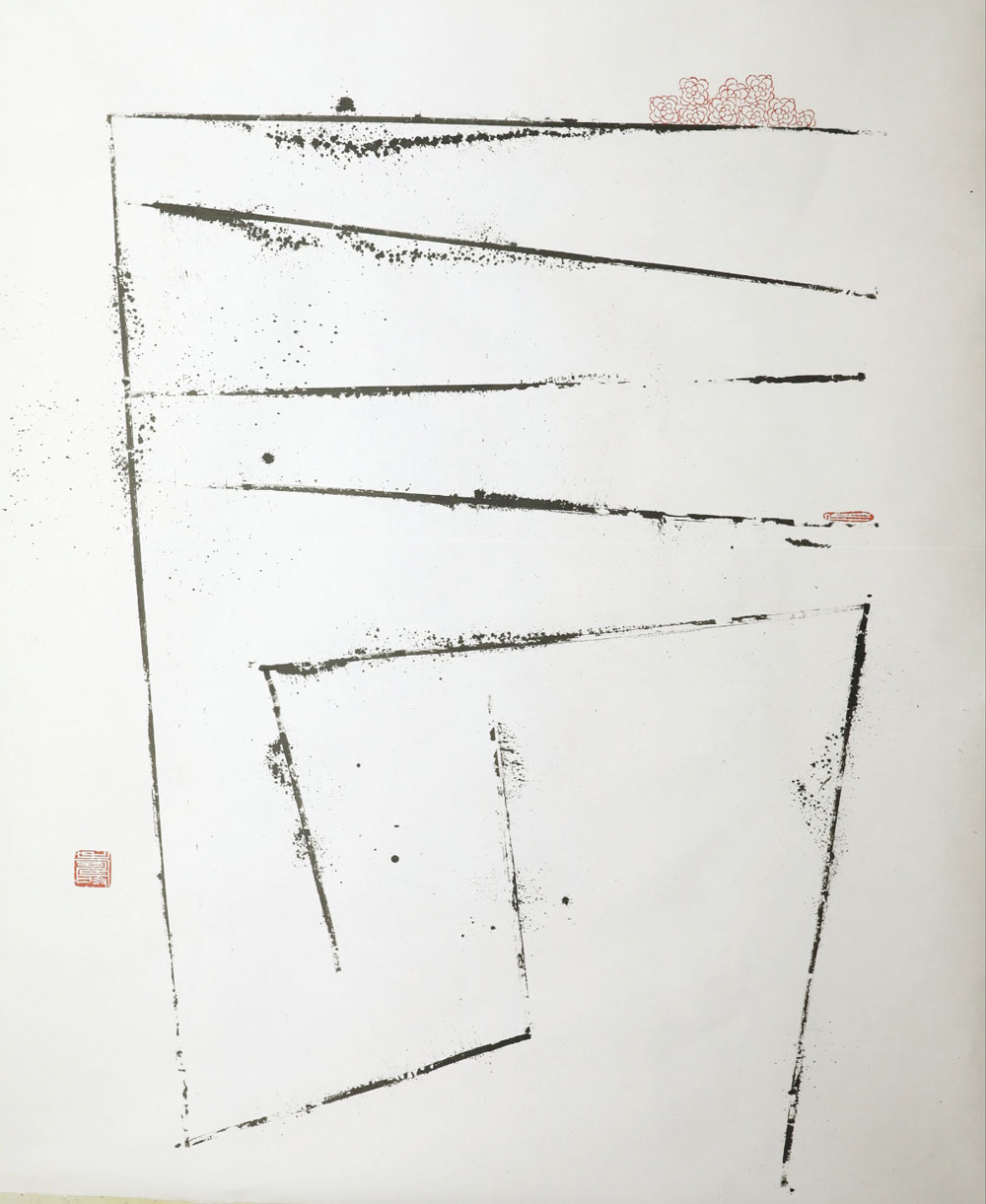
福 / 130×162cm
이번 전시는 인간이 예로부터 가장 보편적이면서도 깊이 간직해온 염원인 ‘복·덕·장수’를 핵심 주제로 삼는다.
‘福德長壽’라는 네 글자는 풍요로운 복과 두터운 덕을 쌓아 오래도록 건강하게 살아가기를 바라는 인간의 근원적인 소망을 응축한 말이다.
작가는 이 오래된 축원의 언어를 문자 그대로 재현하기보다는, 전각이 지닌 구조와 리듬, 그리고 새김의 정신을 바탕으로 회화적 조형으로 풀어내며 새로운 해석의 장을 연다.
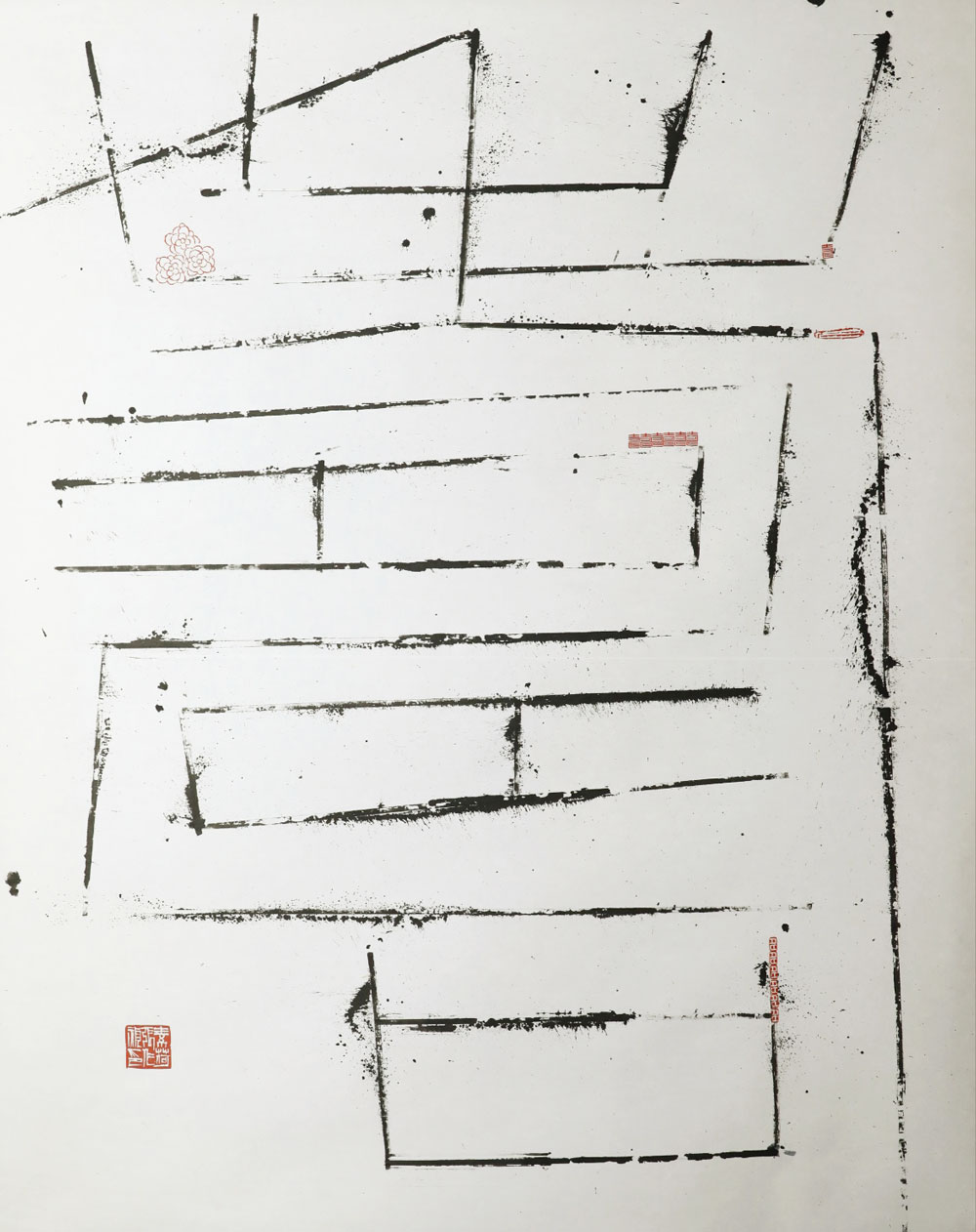
德 / 130×162cm
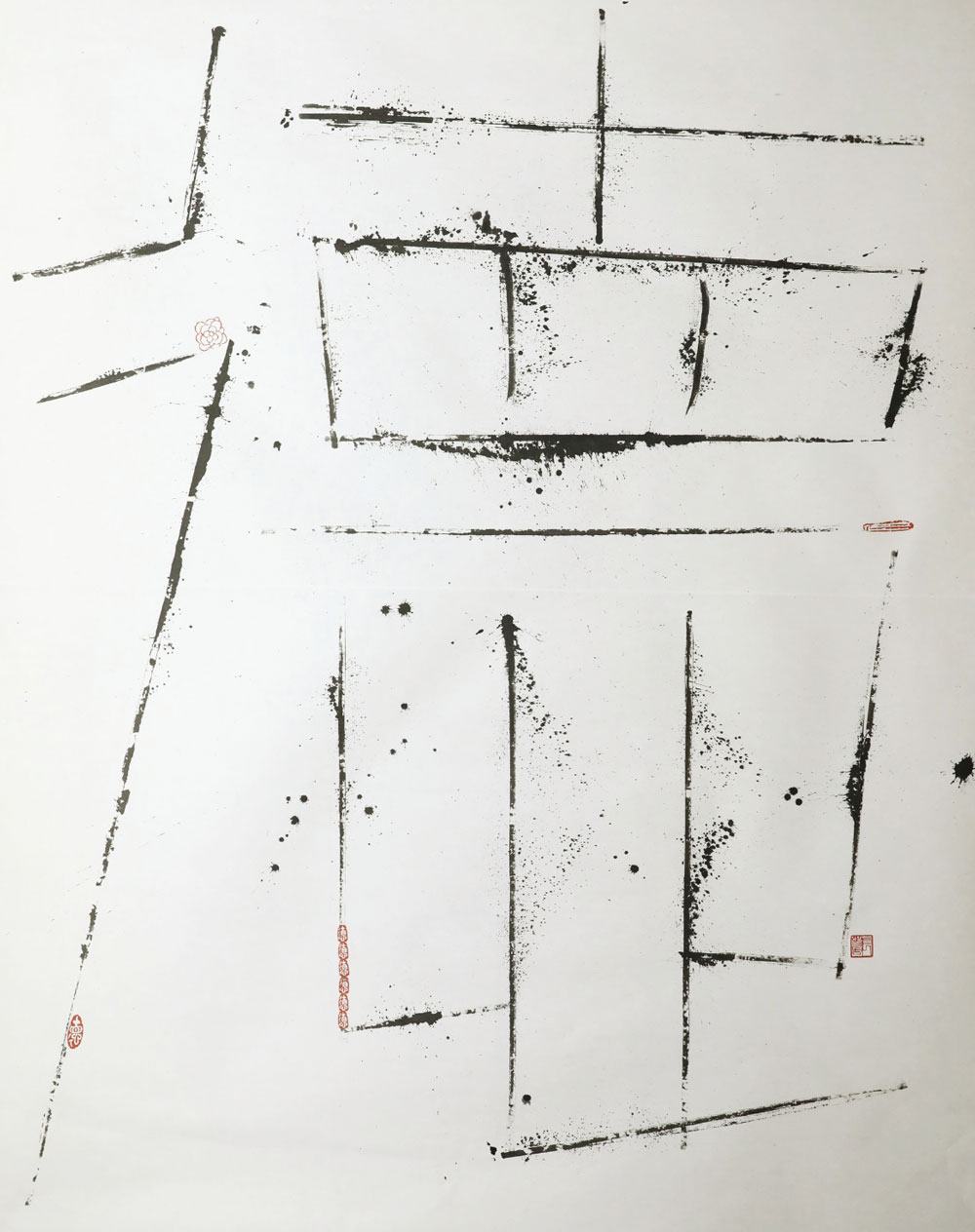
전시장에 펼쳐지는 작품들은 문자 형상을 직접적으로 드러내기보다는, 전각의 조형적 특성과 칼의 흔적을 연상시키는 선과 면, 그리고 절제된 먹의 사용을 통해 구성된다.
화면 위에 남겨진 거칠고 단속적인 선들은 마치 돌을 깎아낸 후 남은 흔적처럼 시간의 밀도를 품고 있으며, 반복되는 수평과 수직의 구조는 질서와 인내, 그리고 축적의 의미를 상징적으로 드러낸다.
이는 전각이 지닌 ‘새김’의 본질을 회화적 공간으로 옮겨온 시도이자, 문자 예술이 지닐 수 있는 확장 가능성을 보여주는 지점이라 할 수 있다.
長 / 130×162cm
특히 이번 전시에서 주목할 부분은 ‘장수’에 대한 작가의 사유이다. 여기서 말하는 장수는 단순히 오래 사는 시간을 의미하지 않는다.
오히려 의미 있는 삶의 순간들이 차곡차곡 쌓이며 지혜와 깊이를 더해가는 과정으로 이해된다.
돌을 깎고 문자를 새기는 지난한 과정 속에서 삶의 유한함을 자각하고, 그 안에 오래도록 기억될 가치를 새기려는 전각의 정신은 작가의 화면 속에서 반복과 여백, 절제된 구성으로 드러난다.
壽 / 130×162cm
장인정 작가는 계명대학교 미술대학 서예과를 졸업하고 동 예술대학원 미술학과 서예전공을 마쳤으며, 계명대학교 미술대학 서예과 강사를 역임했다.
현재는 대구미술협회 이사로 활동 중이며, 대한민국 미술대전 서예부문 초대작가이자 심사위원을 지낸 바 있다.
개인전 5회를 비롯해 오이장전 7회, 띠실전 10회 등 다수의 단체전 참여를 통해 전각과 서예, 그리고 현대적 조형 언어의 접점을 꾸준히 탐구해왔다.
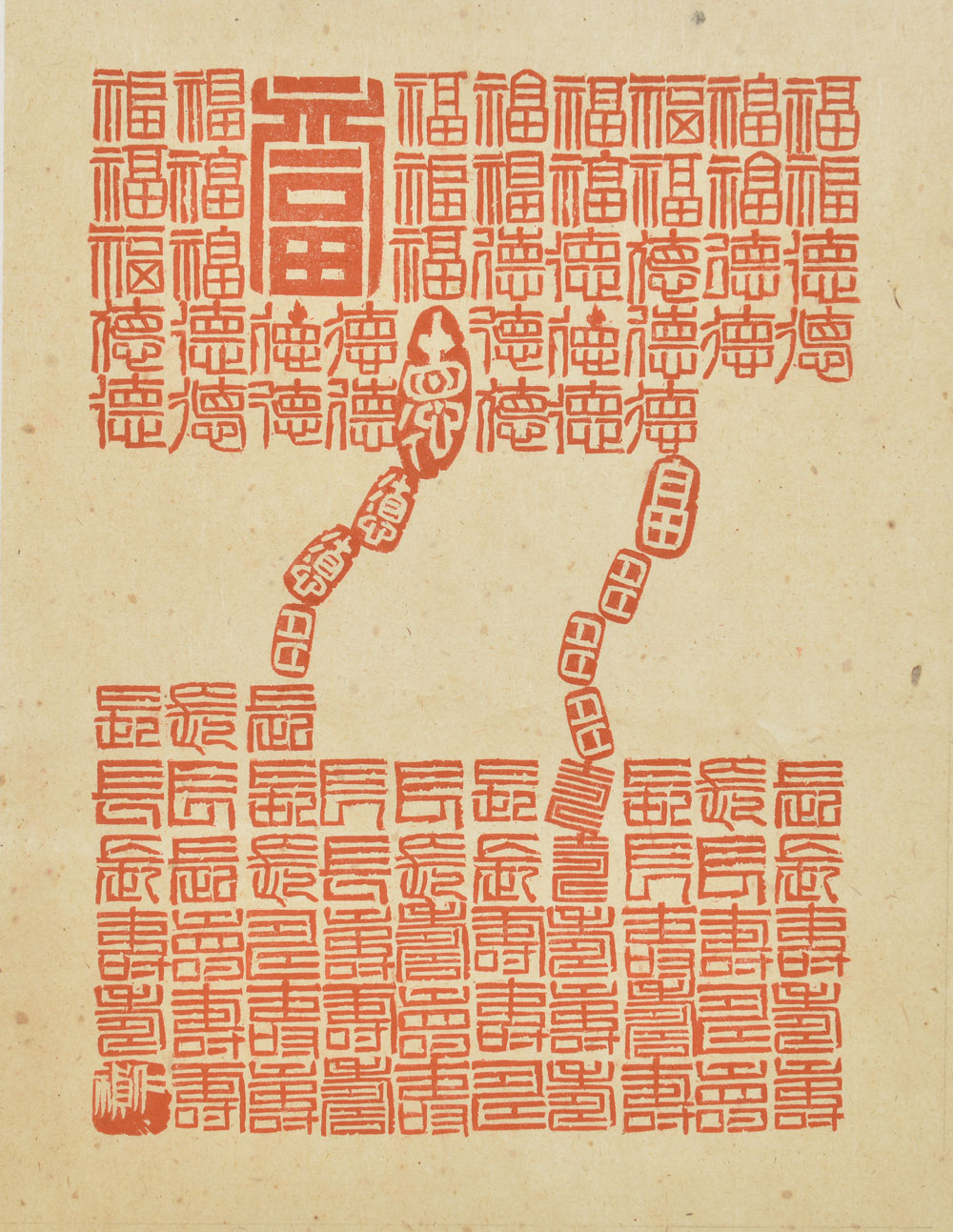
福德長壽 / 25×32cm / 한지에 석인재
작가는 전각 예술의 핵심을 ‘축척(蓄積)’이라는 개념으로 설명한다. 하나의 글자를 완성하기 위해 쌓아온 시간과 수련, 그리고 날카로운 칼끝으로 새겨진 한 획 한 획에는 작가 개인의 삶뿐 아니라, 덕을 쌓아 복을 이루고 그 복이 다시 오래도록 이어지기를 바라는 인간 보편의 삶의 태도가 담겨 있다.
이러한 축적의 개념은 이번 전시에서 반복되는 선의 리듬과 화면 구성, 그리고 절제된 여백을 통해 시각적으로 구현된다.
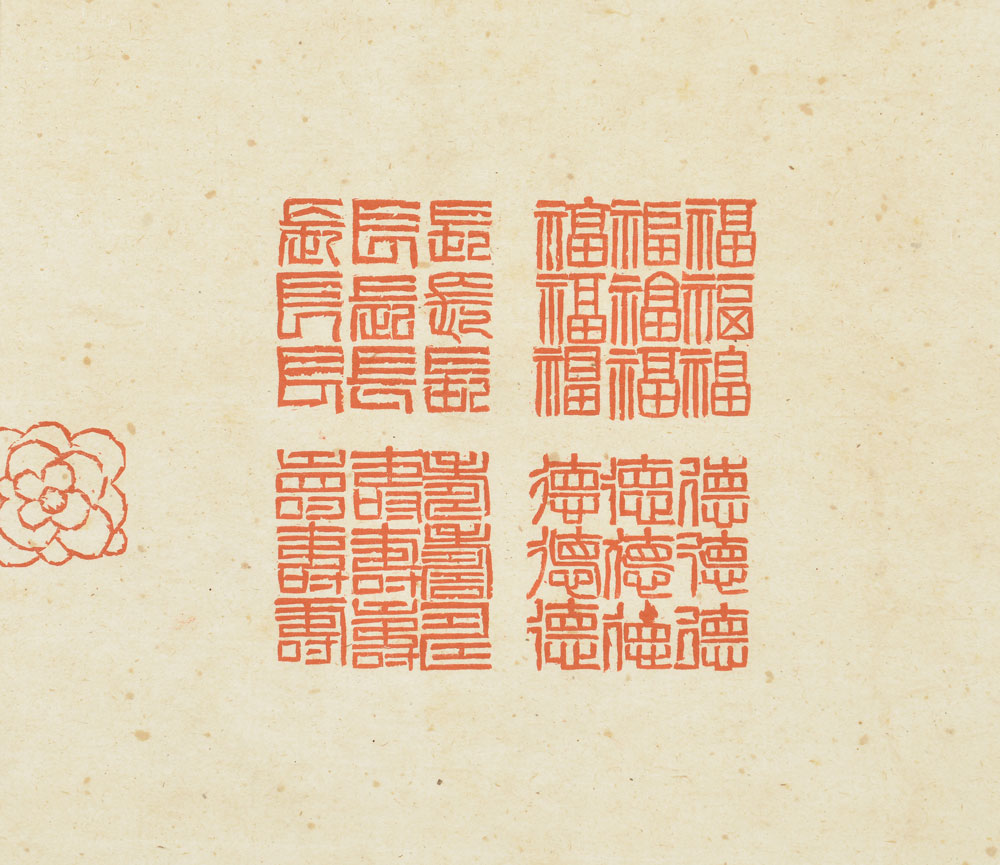
福德長壽 / 32×28 / 한지에 석인재
《福德長壽》전은 전각을 기반으로 한 회화적 실험이자, 문자와 이미지, 전통과 현대를 잇는 사유의 공간이다.
돌 위에 새겨진 작은 글자에서 출발한 작가의 작업은 화면 위에서 다시 확장되며, 관람객으로 하여금 삶의 본질적인 행복과 지속성에 대해 조용히 사유하게 만든다.
이번 전시를 통해 관람객들이 복과 덕이 쌓여 오래도록 빛나는 삶의 의미를 각자의 방식으로 되새겨보는 시간이 되길 기대해본다.
-글씨21
A Language of Blessing Expanded from Seal Engraving into Painting
Sojeong Jang In-jung Holds His Fifth Solo Exhibition, Fortune, Virtue, and Longevity
Seal engraving (篆刻) is an art form that carves characters, spirit, and time into the hardness of stone. The long years of discipline required to inscribe a single stroke, the deep concentration involved, and the artist’s breath carried at the tip of the blade go beyond mere formal creation and touch upon a fundamental attitude toward life. Sojeong Jang In-jung, who has long explored the essence of seal engraving, presents his fifth solo exhibition, Fortune, Virtue, and Longevity (福德長壽), revealing a body of work that expands a form-based language rooted in seal engraving into painterly contemplation. The exhibition will be held from December 23 to 28 at Exhibition Room 2 of Bongsan Cultural Center in Daegu.
This exhibition centers on the timeless and universal human aspiration for fortune, virtue, and longevity. The four characters “福德長壽” encapsulate a fundamental wish: to accumulate prosperity and virtue and to live a long and healthy life. Rather than reproducing these characters literally, the artist reinterprets this ancient language of blessing through painterly form, drawing upon the structure, rhythm, and spirit of carving intrinsic to seal engraving, and opening a new space for visual interpretation.
The works on view do not directly depict legible characters. Instead, they are composed of lines and planes that evoke the formal qualities of seal engraving, the traces of carving, and the restrained use of ink. The rough and intermittent lines left on the surface resemble the residual marks left after carving stone, carrying within them a density of time. Repeated horizontal and vertical structures symbolically convey order, endurance, and accumulation. These works represent an attempt to translate the essential act of “engraving” into pictorial space, while also demonstrating the expansive potential of character-based art in a contemporary context.
A particularly compelling aspect of the exhibition is the artist’s meditation on the concept of longevity. Here, longevity does not simply signify the passage of long years. Rather, it is understood as a process through which meaningful moments of life gradually accumulate, deepening wisdom and inner substance. In the arduous act of carving stone and inscribing characters, one becomes acutely aware of life’s finitude, while simultaneously attempting to engrave values meant to endure. This spirit of seal engraving is manifested in the artist’s canvases through repetition, restraint, and carefully considered spatial composition.
Jang In-jung graduated from the Department of Calligraphy at Keimyung University College of Fine Arts and completed his graduate studies in calligraphy at the university’s Graduate School of Fine Arts. He previously served as a lecturer in the Department of Calligraphy at Keimyung University. He is currently a board member of the Daegu Fine Arts Association and has served as both an invited artist and a juror for the Calligraphy Division of the Korea Art Exhibition. In addition to his five solo exhibitions, he has participated extensively in group exhibitions, including seven editions of Oijang Exhibition and ten editions of Ttisil Exhibition, consistently exploring the intersection of seal engraving, calligraphy, and contemporary visual language.
The artist describes the core of seal engraving through the concept of “accumulation” (蓄積). The time and discipline required to complete a single character, and each stroke carved by the sharpened blade, embody not only the artist’s personal life but also a universal human attitude—one that seeks to build virtue, realize fortune, and allow that fortune to endure over time. In this exhibition, the idea of accumulation is visually articulated through rhythmic repetition of lines, compositional structure, and carefully restrained use of empty space.
Fortune, Virtue, and Longevity is both a painterly experiment grounded in seal engraving and a contemplative space connecting text and image, tradition and modernity. Beginning with small characters engraved into stone, Jang In-jung’s work expands onto the pictorial plane, inviting viewers to quietly reflect on the fundamental nature of happiness, continuity, and enduring values in life. Through this exhibition, audiences are encouraged to rediscover, in their own way, the meaning of a life that shines through the steady accumulation of fortune and virtue over time.
-Geulc21
|

 목록
목록