|
선 하나가 건넌 바다
한·대만 서예 교류전〈앵앵정운전(嚶嚶停雲展)〉
서예는 가장 오래된 예술 중 하나이지만, 동시에 여전히 현재진행형의 언어다.
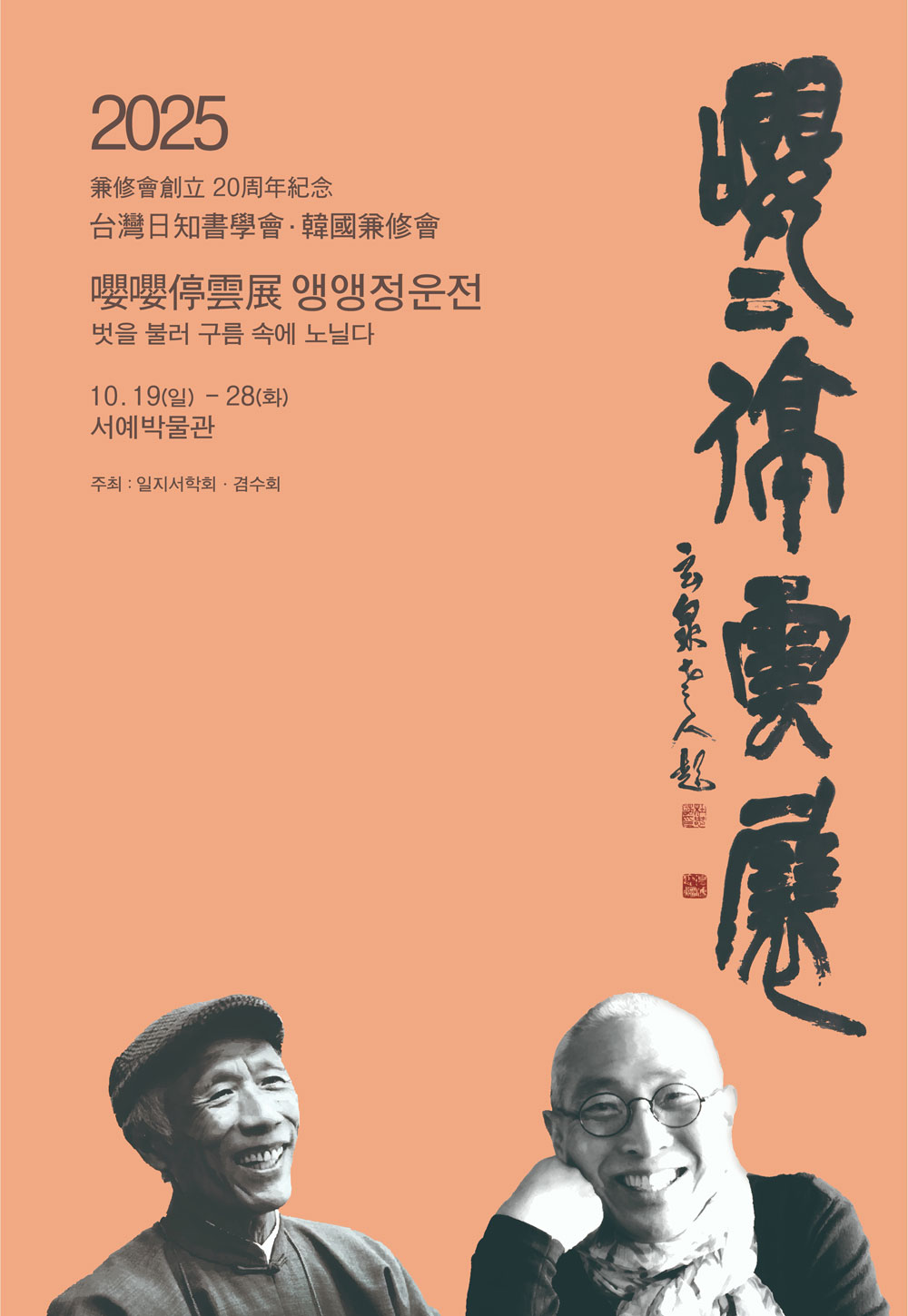
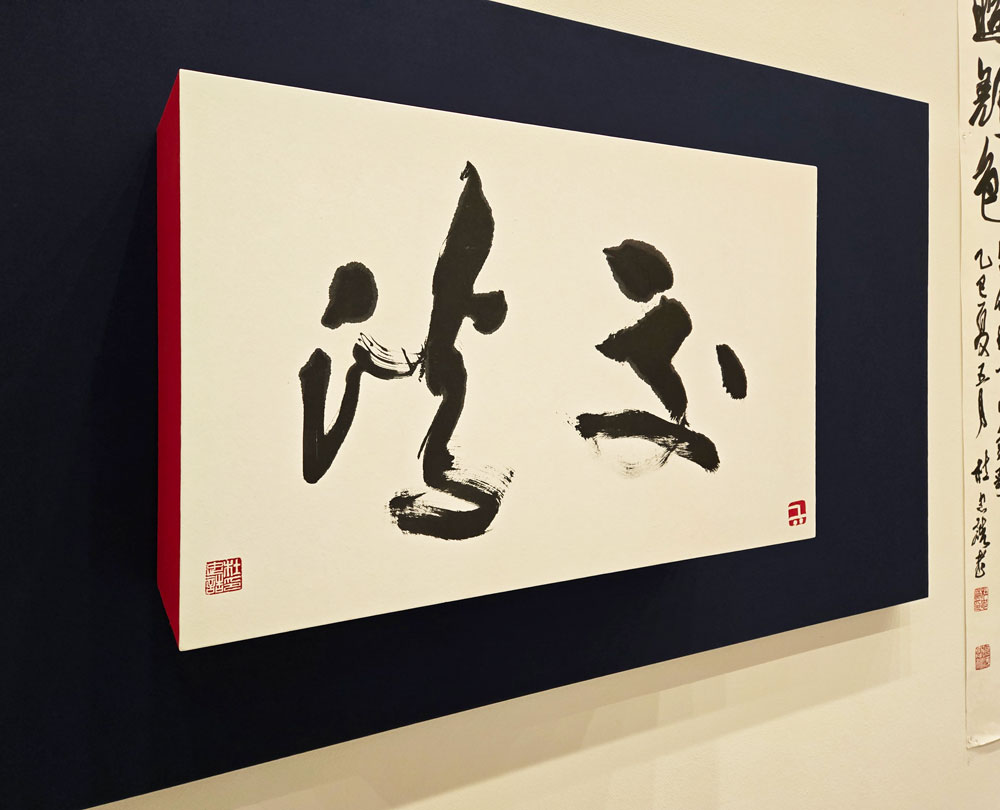
서울 서초구 예술의전당 서예박물관에서 지난 10월 19일부터 28일까지 열린 한·대만 서예 교류전 〈앵앵정운전(嚶嚶停雲展)〉은 이 사실을 또렷하게 증명한 자리였다.
한국의 겸수회와 대만의 일지서학회가 공동 기획한 이번 전시는, 양국 서예가 63명이 참여해 약 220여 점의 작품을 선보이며 ‘우정’이라는 키워드로 두 문화권을 연결했다.
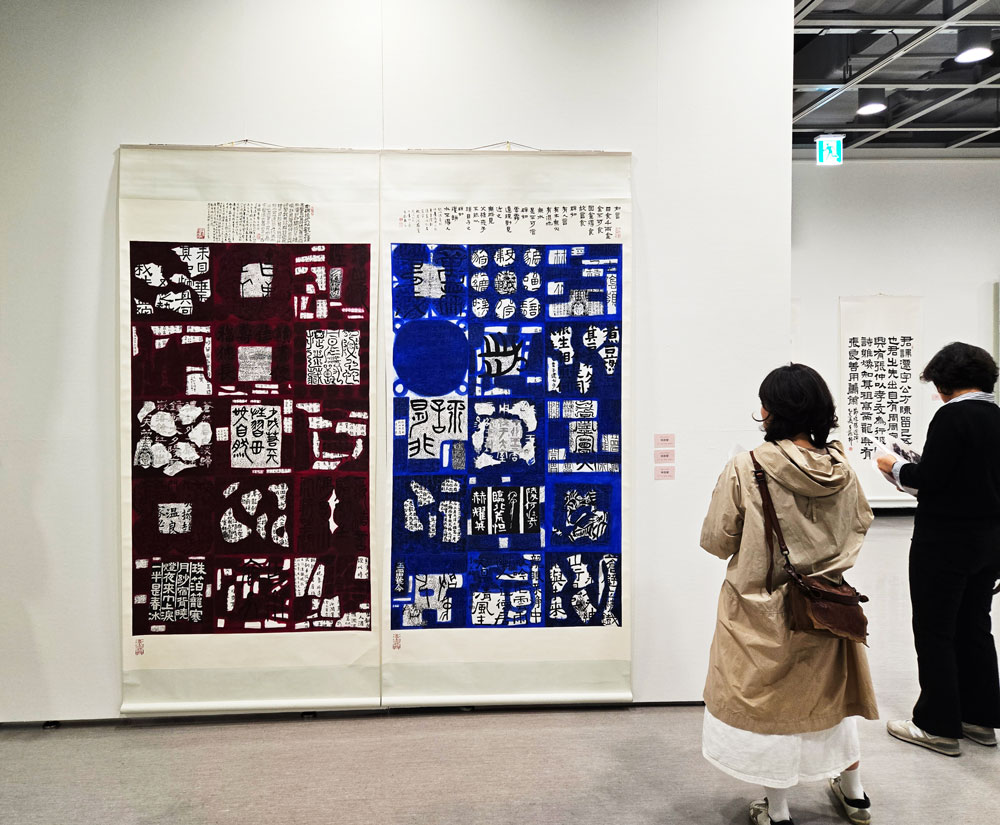
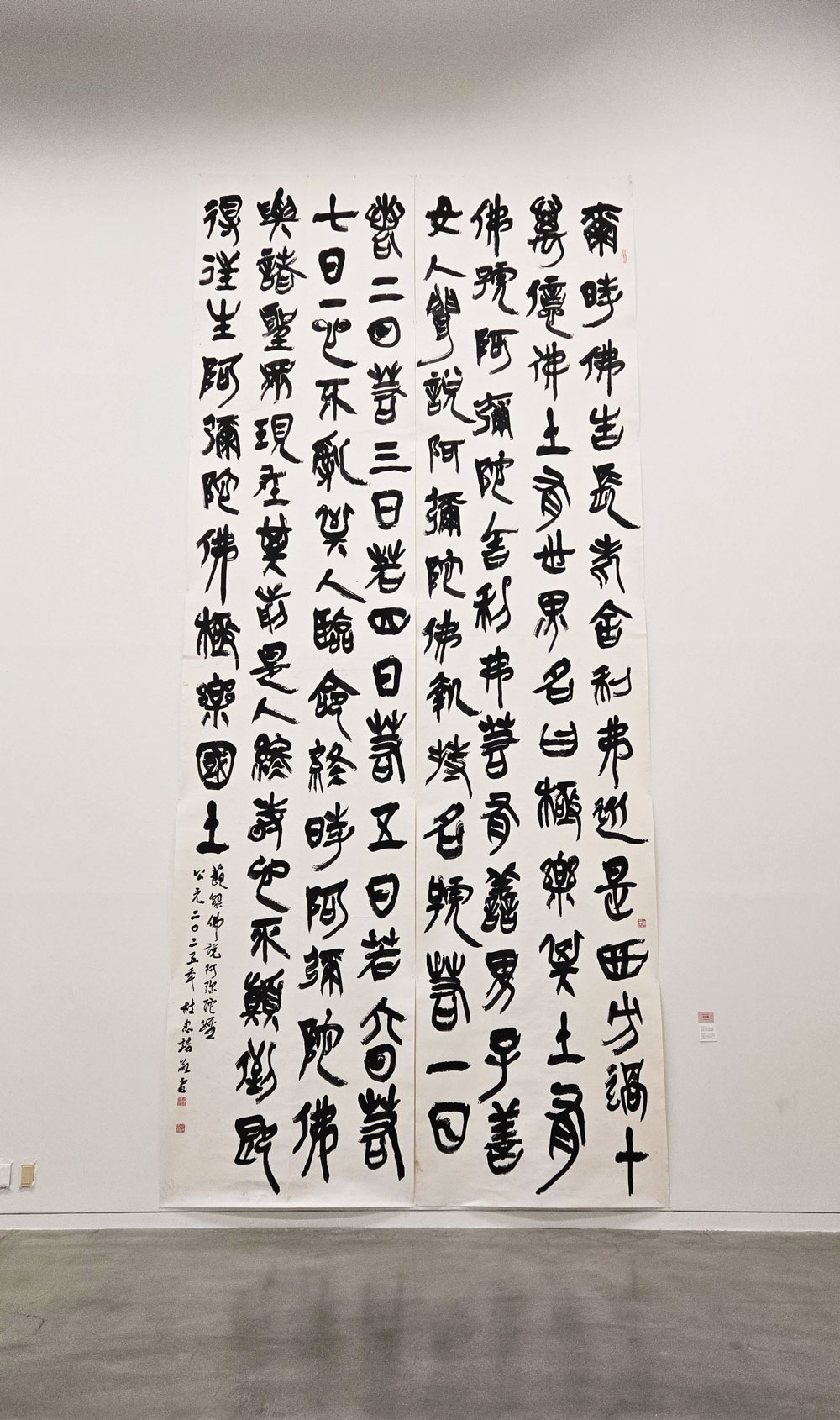
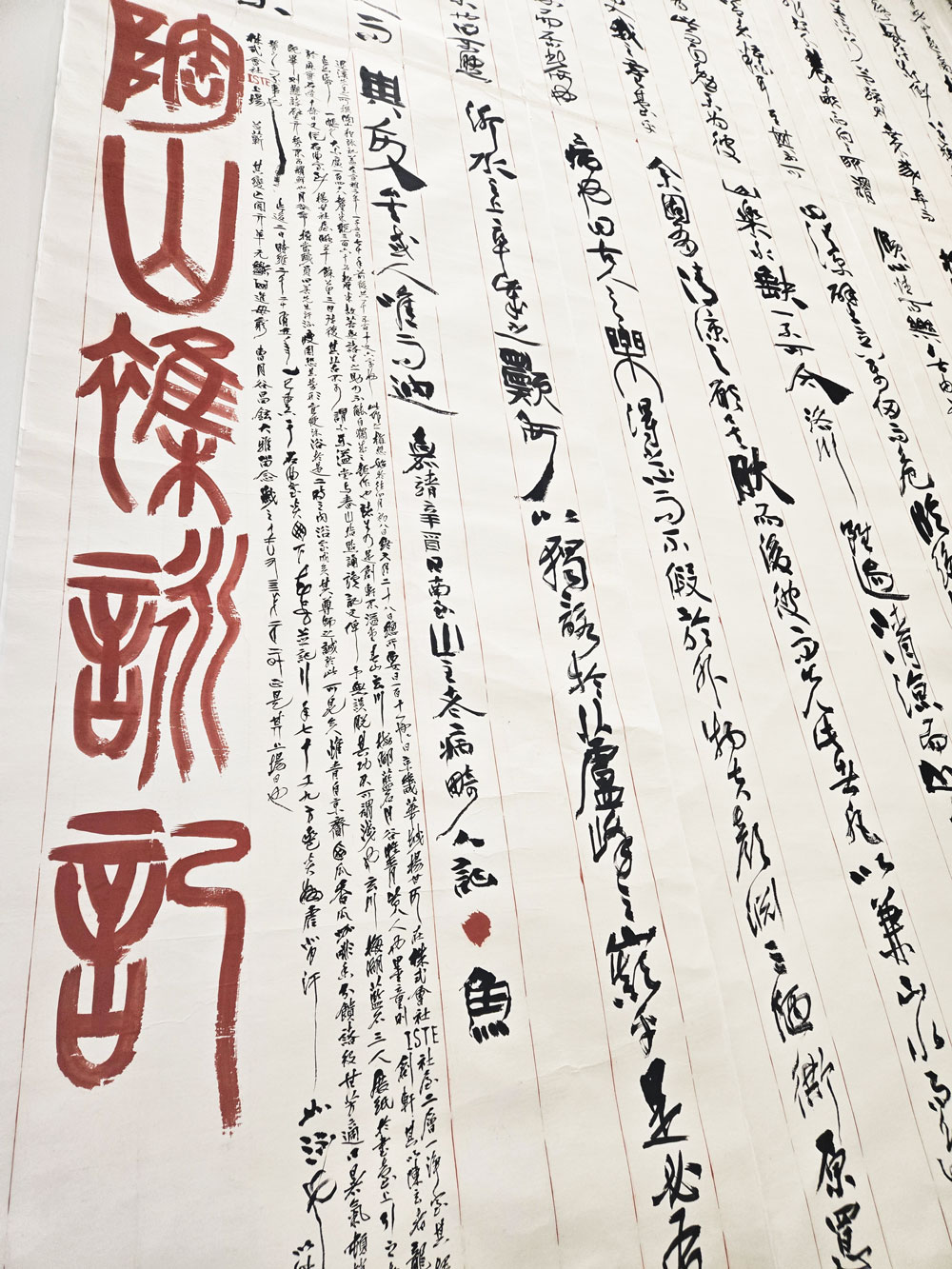
전시장에 들어서자마자 관람객을 맞이하는 것은 하석 박원규 선생의 대형 작품이다.
높이 약 8m, 길이 약 16m에 달하는 이 작품은 글씨가 더 이상 종이 위의 대상에 머무르지 않고, 공간 전체를 점유하는 조형이 될 수 있음을 선언하듯 자리한다.
거대한 획의 흐름은 관람자의 시선을 벽에서 바닥으로, 다시 공중으로 이끌며 ‘읽는 서예’가 아닌 ‘걷는 서예’를 경험하게 한다.
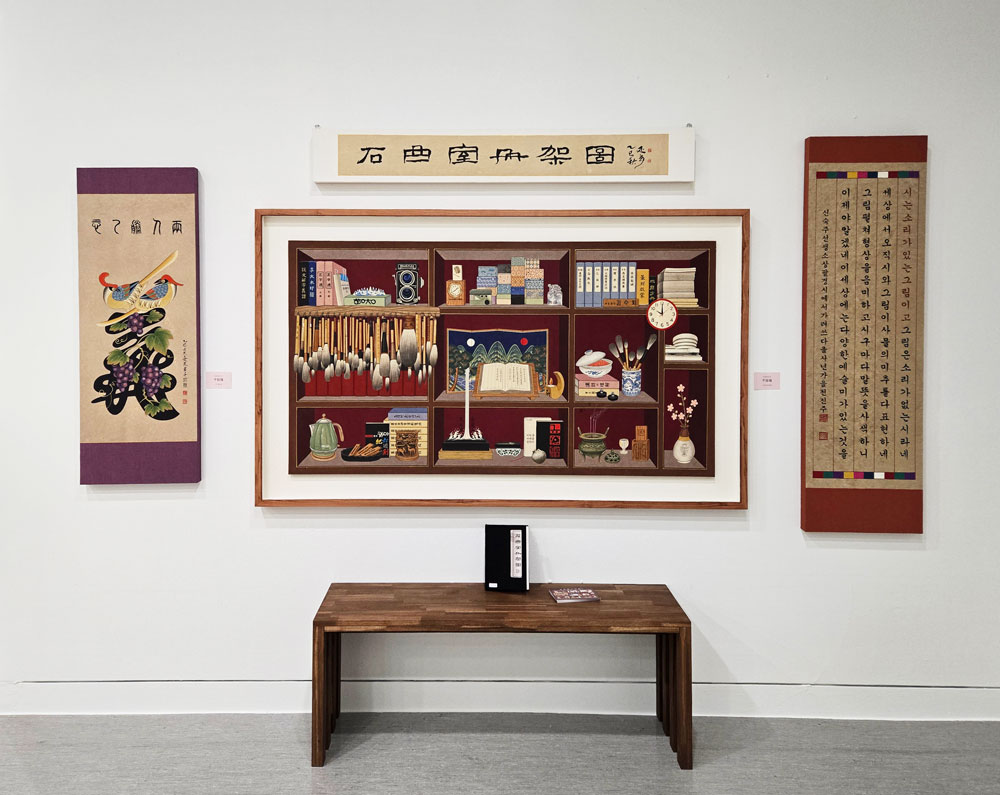
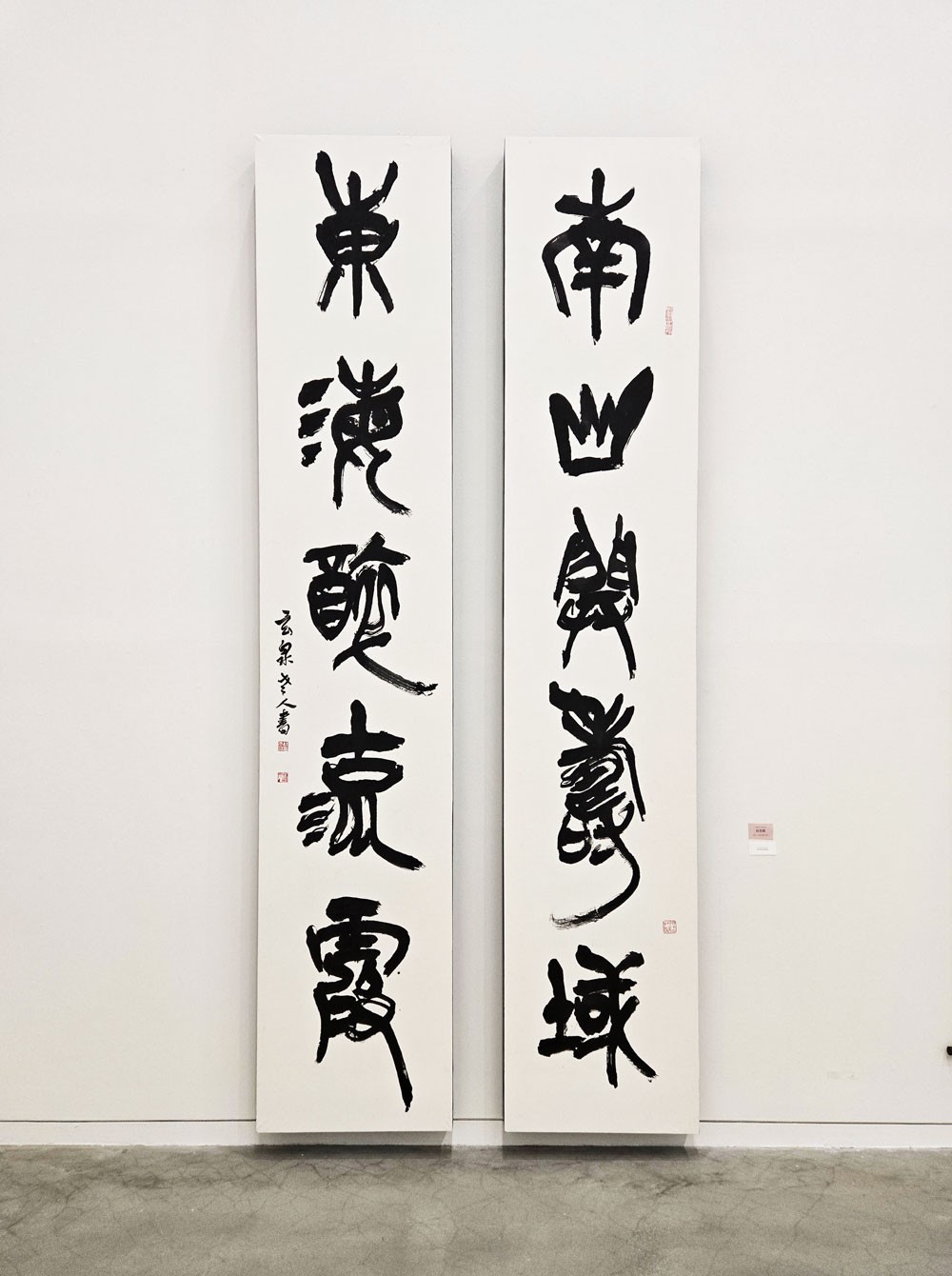
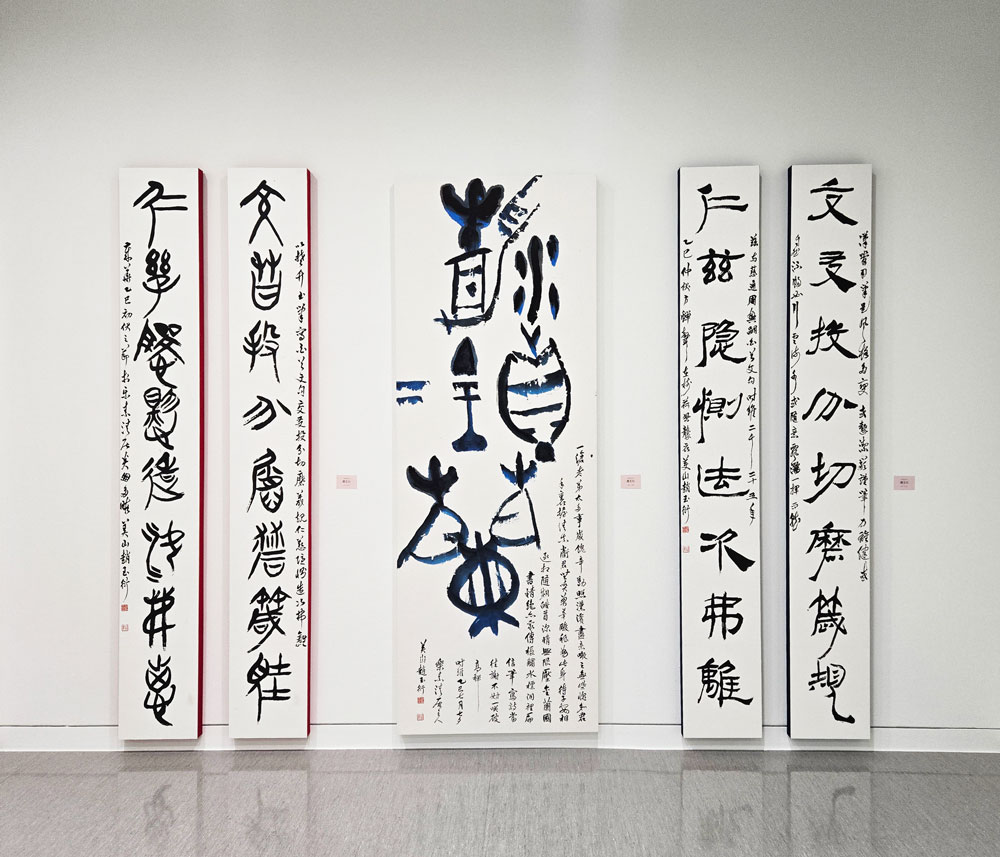
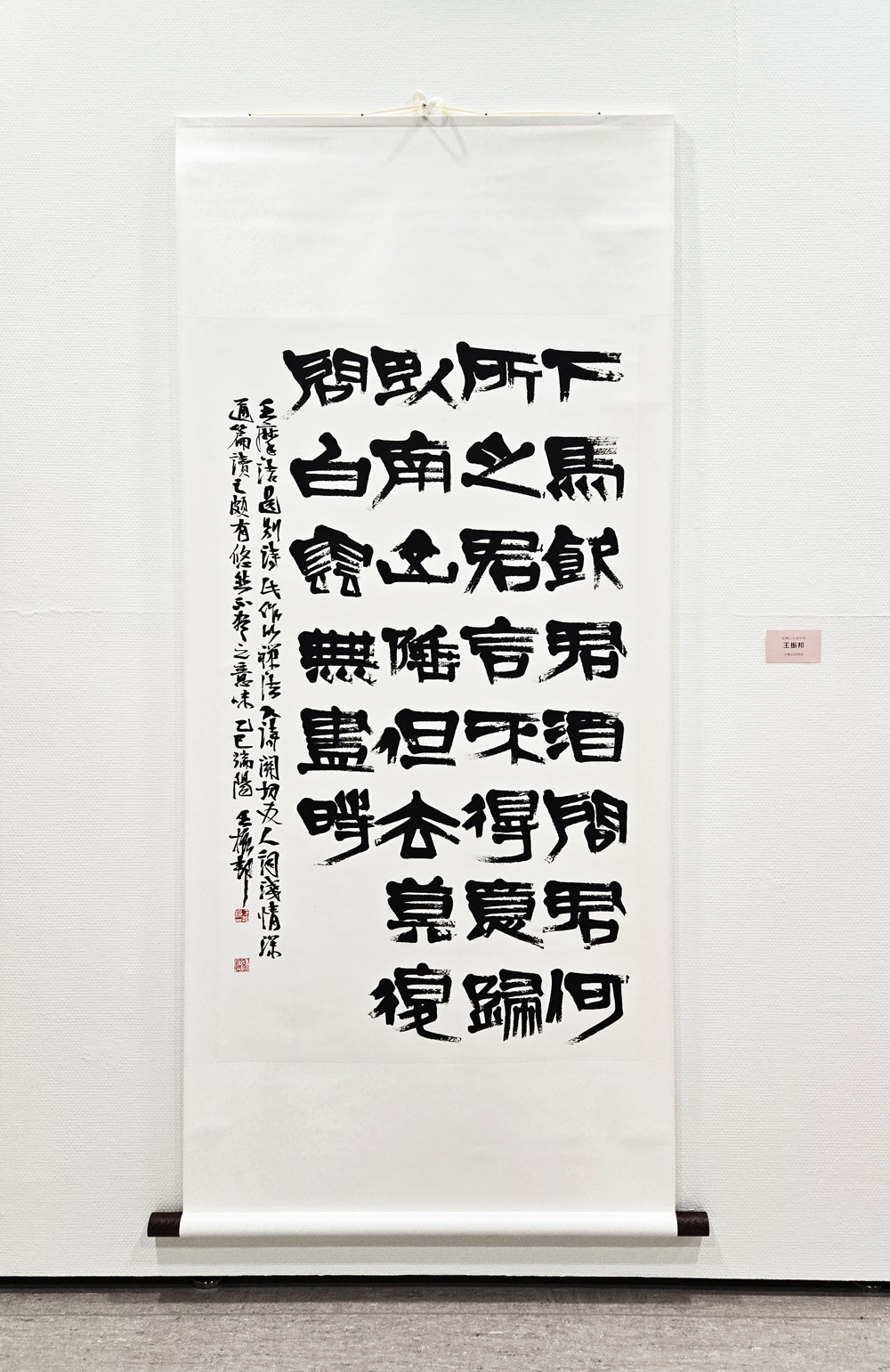
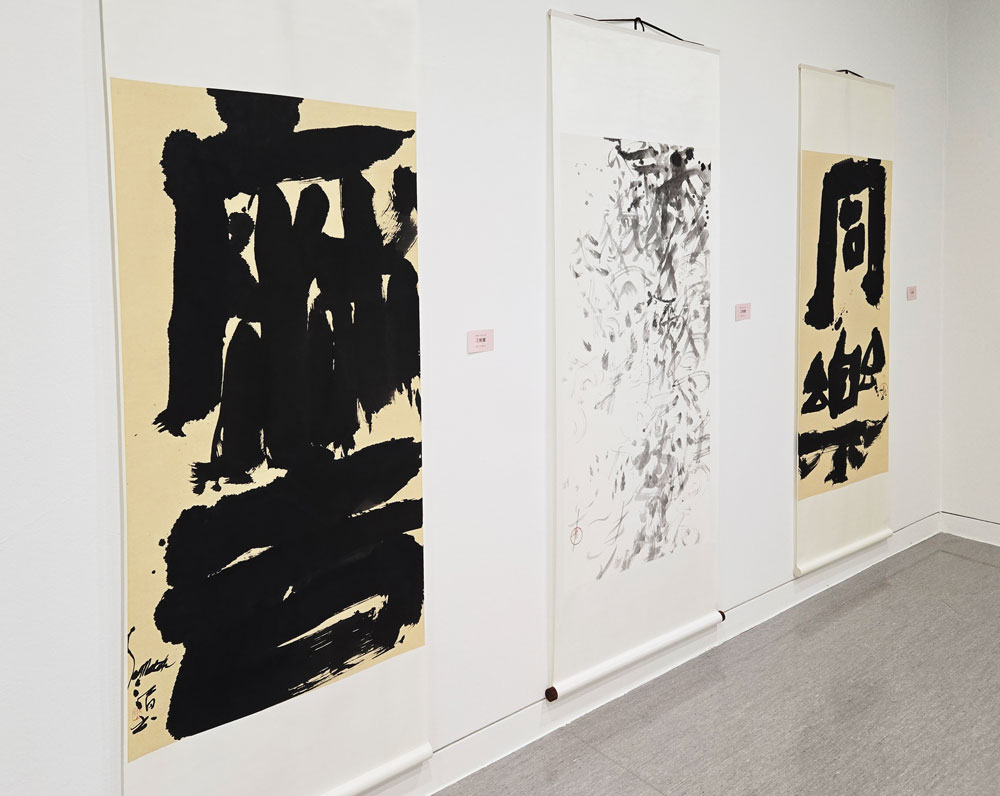
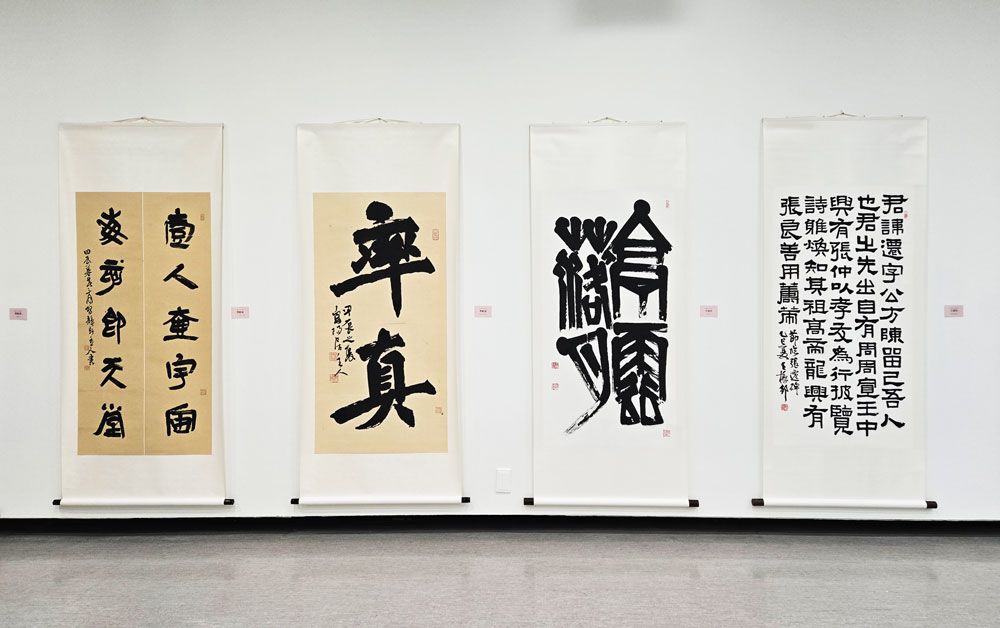
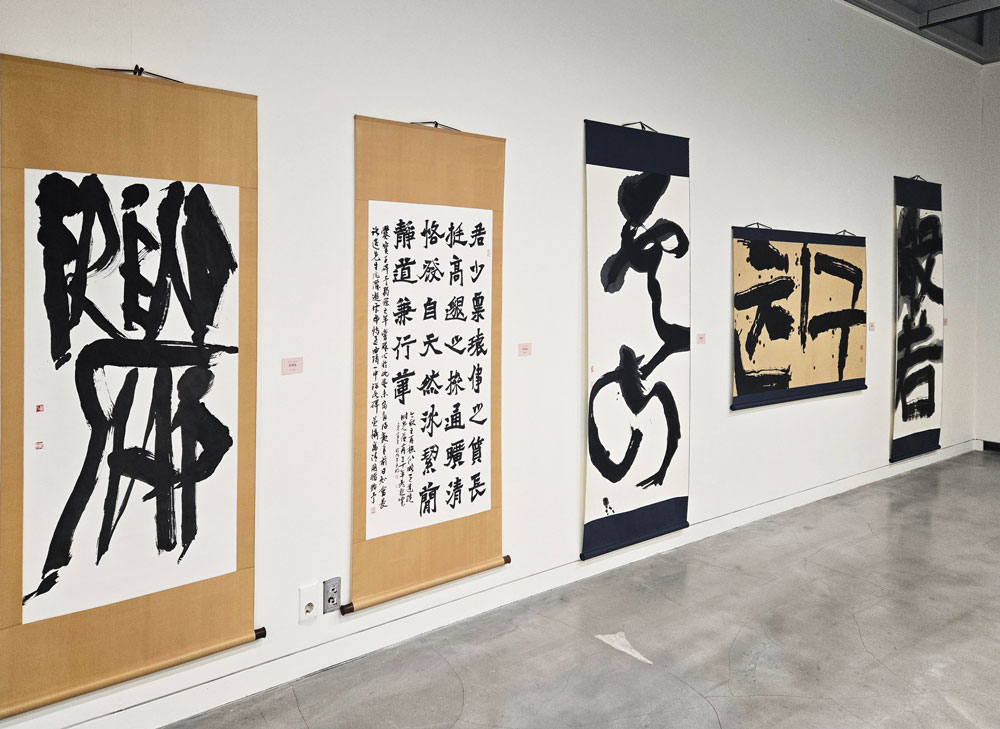
이번 전시의 또 하나의 특징은 한국과 대만 작가들의 작품이 나란히 배치된 구성이다.
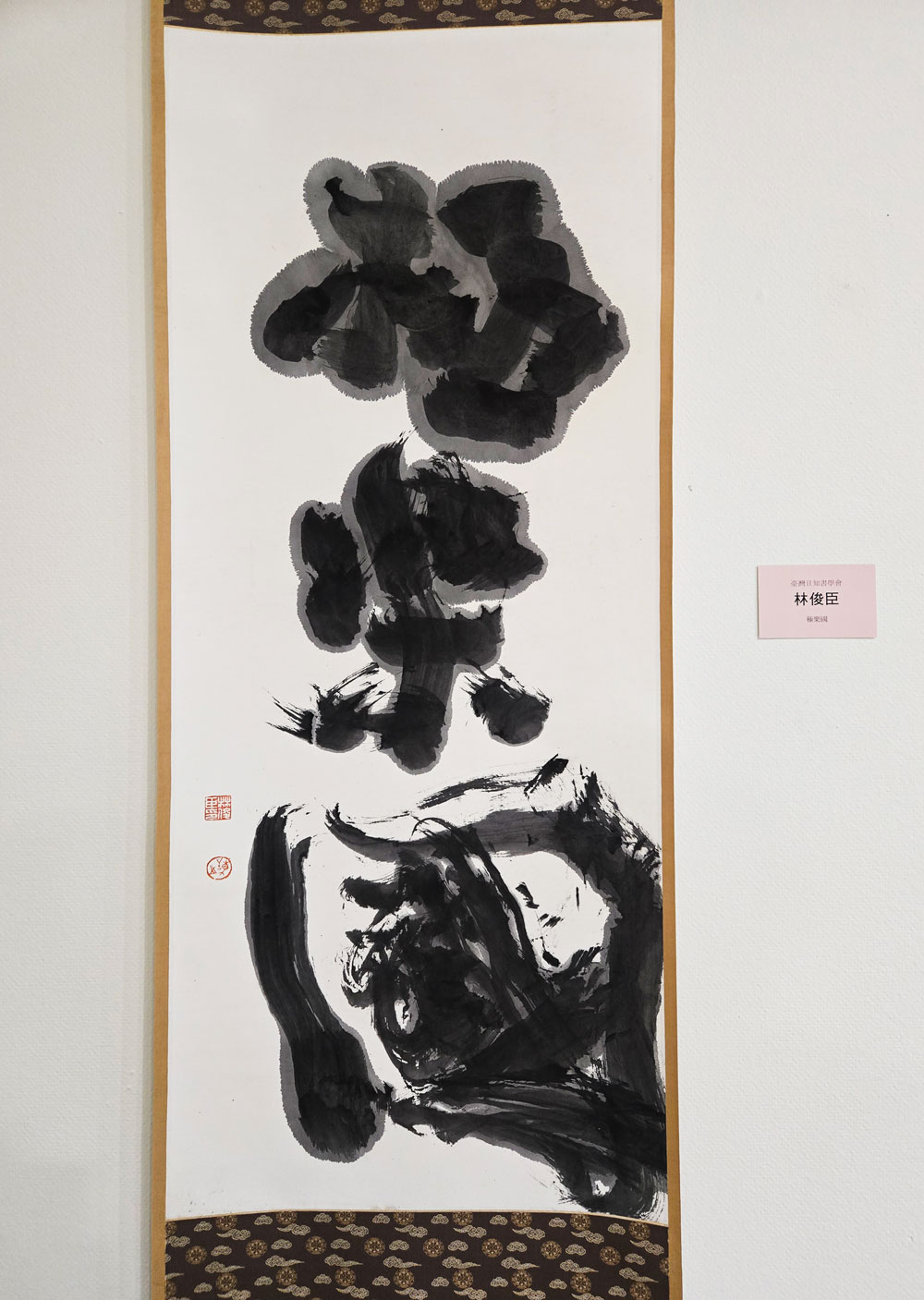
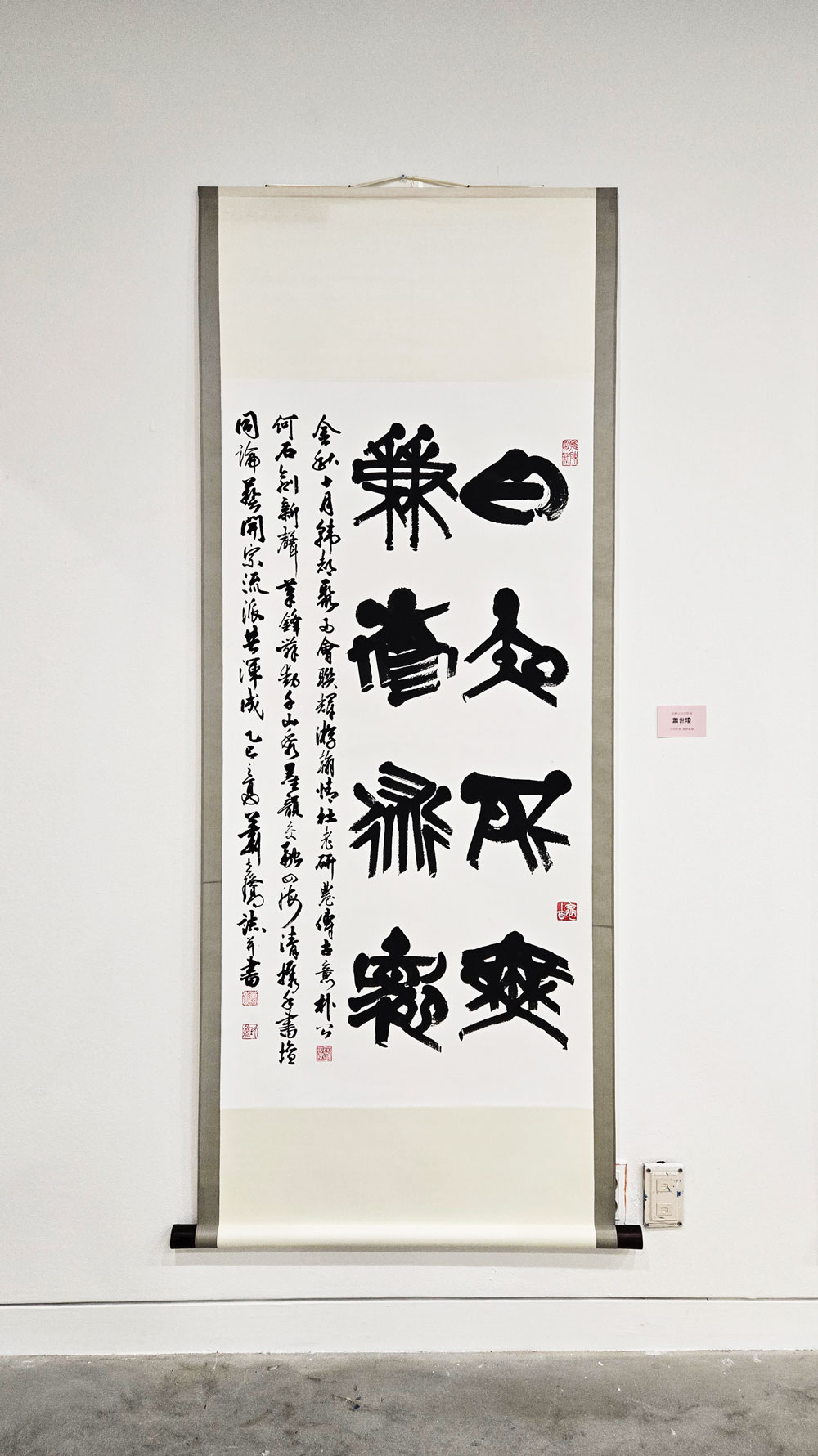
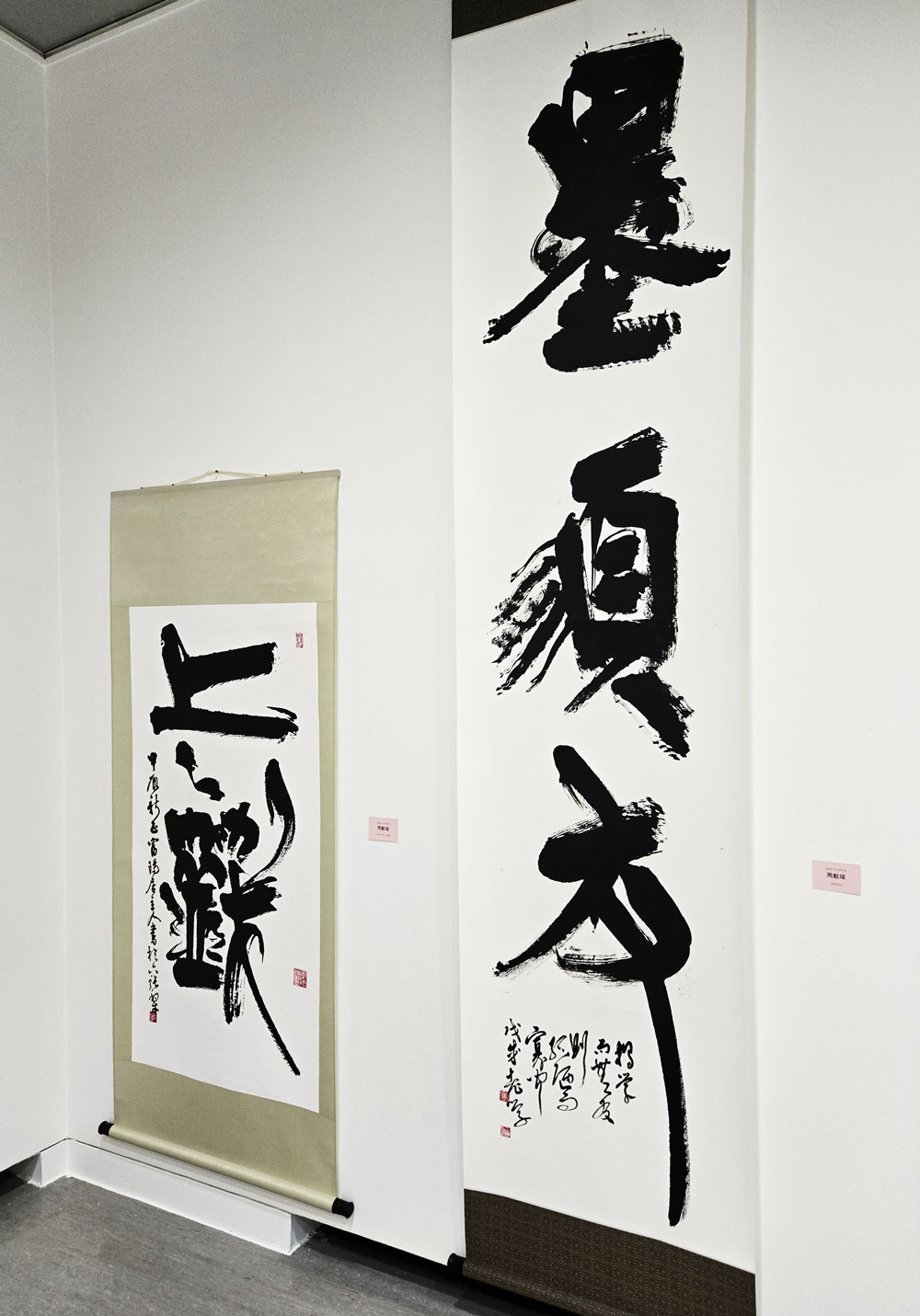
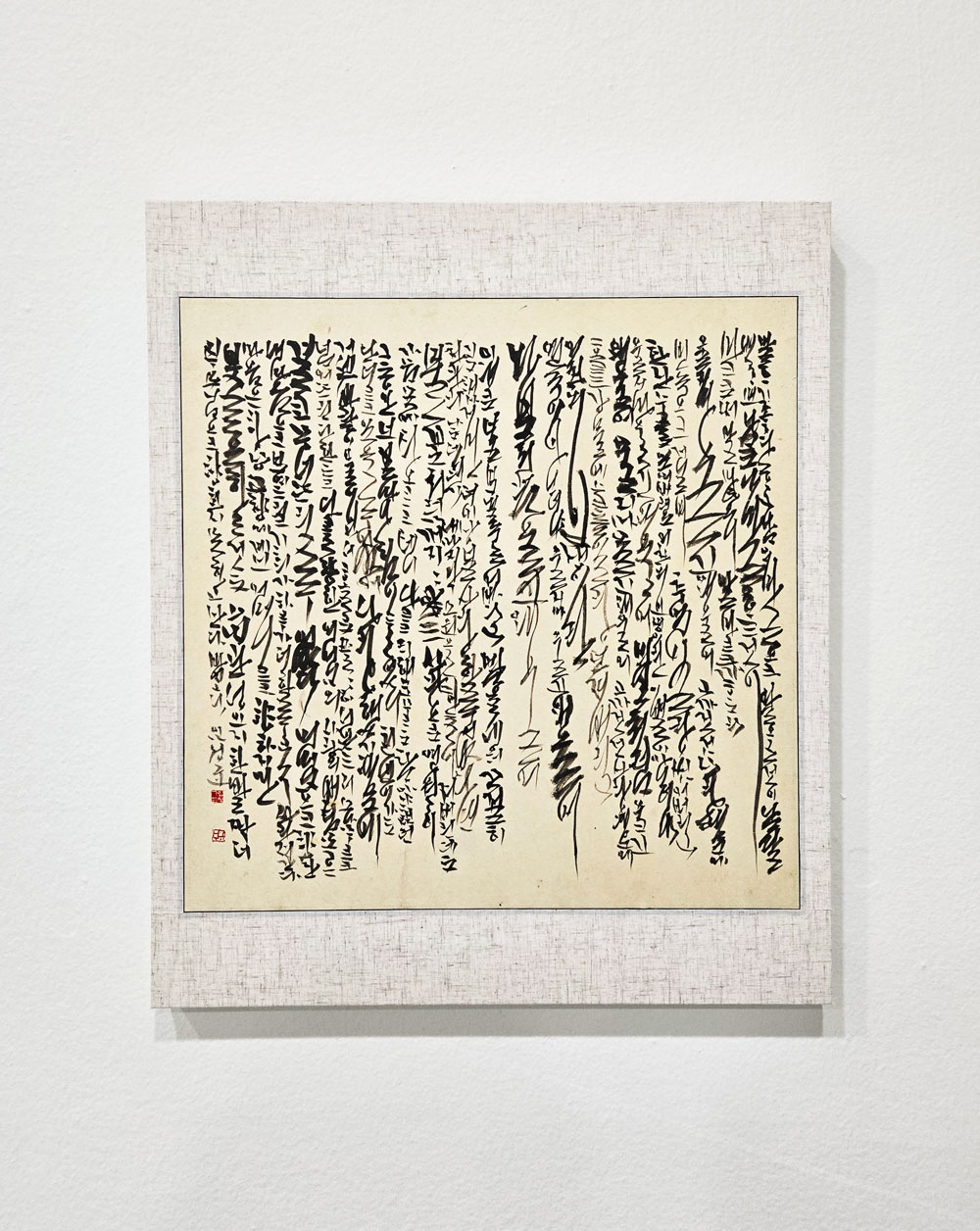
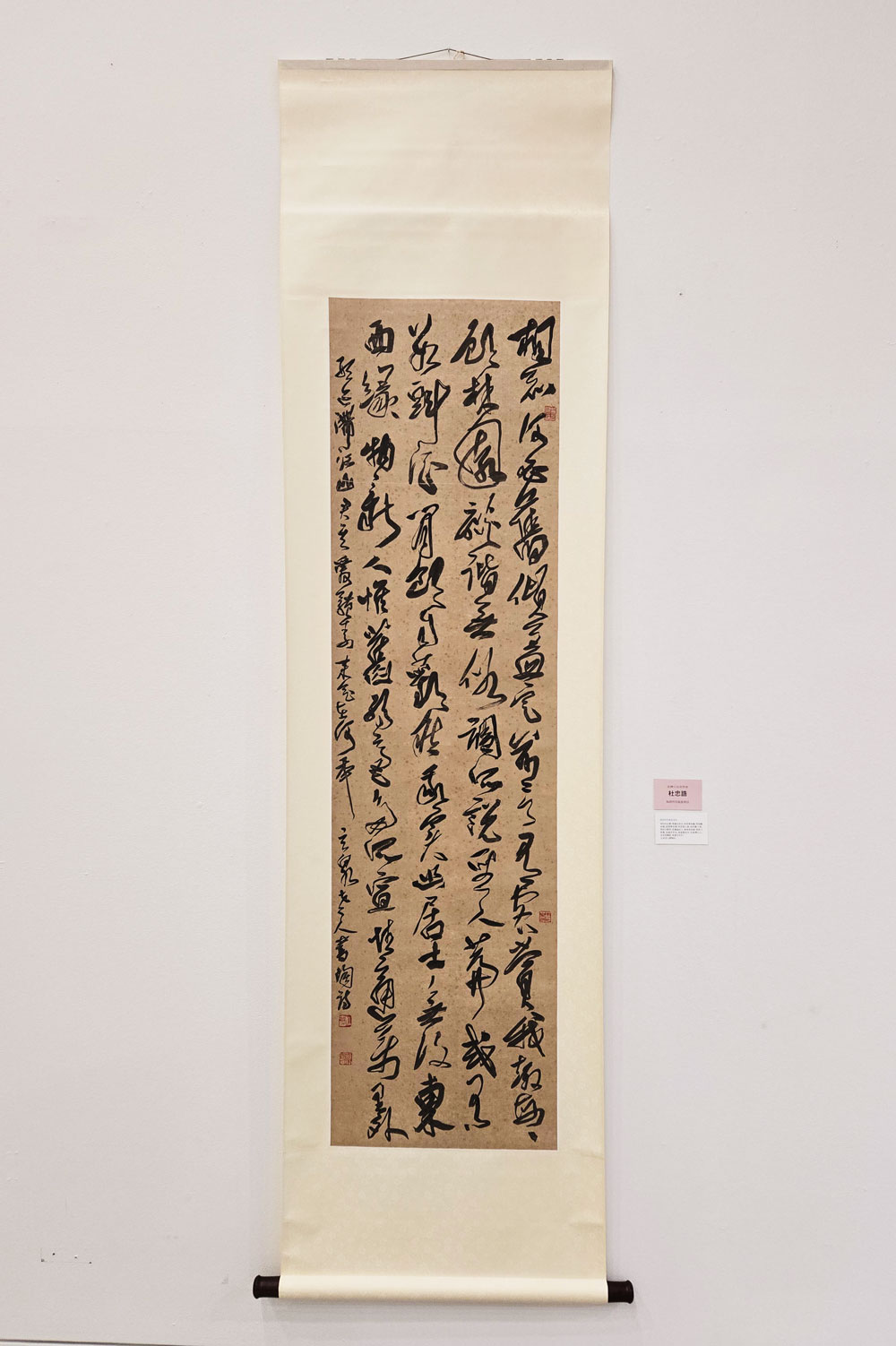
같은 한자 문화권, 같은 붓과 먹을 사용하지만 작품이 만들어내는 분위기는 분명한 차이를 드러낸다.
한국 작가들의 작품은 비교적 절제된 호흡과 고요한 균형을 지녔고, 대만 작가들의 작업은 보다 과감한 필획과 적극적인 공간 점유를 보여준다.
마치 같은 문법을 공유하면서도 문체가 다른 두 시인의 시를 읽는 듯한 인상이다.
이 차이는 단순한 기법의 문제가 아니라, 각기 다른 교육 배경과 미의식, 그리고 시대 경험이 축적된 결과로 읽힌다.
전시 제목인 ‘嚶嚶停雲’은 고전 문헌에서 비롯된 표현으로, ‘벗을 부르는 새의 울음소리’와 ‘구름을 머물게 하다’라는 시적 이미지를 품고 있다.
이 제목은 전시 전체를 관통하는 은유이기도 하다. 작가와 작가, 문화와 문화, 세대와 세대가 하나의 획을 매개로 서로를 부르고, 응답하며, 잠시 머무는 장면들이 전시장 곳곳에서 펼쳐진다.
특히 이번 전시는 한국의 박원규 선생과 대만의 두충고 선생 문하 작가들이 함께 참여한 자리로, ‘양문전(兩門展)’이라는 별칭으로도 불렸다.
스승과 제자, 선배와 후배가 한 공간에서 작품으로 대화하는 구조는 서예가 개인의 표현을 넘어 ‘관계의 예술’임을 다시금 환기시킨다. 한 관람객은 이렇게 소감을 전했다.
“서예라고 하면 늘 조용하고 정적인 이미지가 떠올랐는데, 이곳에서는 전혀 달랐어요. 대형 작품 앞에 서 있으니 현대미술관에 온 느낌이 들었고, 획이 벽을 타고 흐르며 여백이 공간을 읽게 하더군요.
글씨가 아니라 서예의 ‘움직임’을 본 것 같았습니다.”
이 말처럼, 이번 전시는 규모와 배치를 통해 서예에 대한 기존의 인식을 흔들어 놓았다. 서예가 사각의 종이 안에 갇힌 장르가 아니라, 공간을 열고 관람자의 몸과 직접 대화할 수 있는 예술임을 체감하게 한다.
〈앵앵정운전〉은 단순한 국가 간 교류전을 넘어선다. 전통과 현대, 거장과 제자, 한국과 대만이라는 여러 층위가 한 자리에 포개지며, 예술이 관계를 맺는 방식에 대해 질문을 던진다.
‘벗’이라는 개념을 통해 서예가 어떻게 문화 간 거리를 좁히고, 감정의 축을 형성할 수 있는지를 보여준 것이다.
전시장을 나서는 발걸음은 묘하게 가볍다. 마침표보다는 쉼표에 가까운 여운이 남는다.
서예는 과거를 기리는 행위에 머무르지 않는다.
획은 여전히 움직이고, 종이는 여전히 바람을 담는다.
그리고 그 바람은, 국경을 넘어 다음 만남을 예고하고 있었다.
-글씨21
A Single Line Crossing the Sea Korea–Taiwan Calligraphy Exchange Exhibition Aeng-Aeng Jeongun Exhibition (嚶嚶停雲展)
Calligraphy is one of the oldest art forms, yet at the same time, it remains a living, evolving language. The Korea–Taiwan Calligraphy Exchange Exhibition Aeng-Aeng Jeongun (嚶嚶停雲展), held from October 19 to 28 at the Calligraphy Art Museum of the Seoul Arts Center in Seocho-gu, Seoul, clearly demonstrated this enduring vitality. Co-organized by Korea’s Gyeomsuhoe and Taiwan’s Riji Calligraphy Society, the exhibition brought together 63 artists from both countries, presenting approximately 220 works that connected two cultural spheres through the shared keyword of “friendship.”
Upon entering the exhibition hall, visitors were immediately confronted by a monumental work by Master Park Won-gyu (Haseok). Measuring approximately 8 meters in height and 16 meters in length, the piece boldly declares that calligraphy can transcend the confines of paper and become a form that occupies and commands space itself. The sweeping flow of its strokes guides the viewer’s gaze from wall to floor and upward again, offering an experience not of “reading” calligraphy, but of “walking through” it.
Another defining feature of the exhibition lay in the juxtaposition of Korean and Taiwanese works displayed side by side. Although both share the same sinographic cultural heritage and employ the same tools—brush and ink—the atmospheres they create are distinctly different. Korean works tend to embody restrained breathing and quiet balance, while Taiwanese pieces often assert bolder strokes and a more active engagement with space. The effect is akin to reading poems by two poets who share the same grammar yet write in markedly different styles. These differences are not merely technical; they reflect divergent educational backgrounds, aesthetic sensibilities, and accumulated historical experiences.
The exhibition title, Aeng-Aeng Jeongun (嚶嚶停雲), originates from classical literature, evoking the imagery of “birds calling out to friends” and “clouds brought to a pause.” This poetic expression functions as a metaphor that permeates the entire exhibition. Throughout the gallery, scenes unfold in which artists converse with artists, cultures with cultures, and generations with generations—calling out and responding to one another through the medium of a single stroke.
Notably, the exhibition also featured works by disciples of Master Park Won-gyu of Korea and Master Du Chung-kao of Taiwan, earning it the additional designation of a “Two Lineages Exhibition (兩門展).” The structure—where teachers and students, seniors and juniors share a single space—underscores calligraphy not merely as an individual act of expression, but as an art of relationships.
One visitor shared the following impression: “I always thought of calligraphy as something quiet and static. But here, everything felt different. Standing before the large-scale works, I felt as though I were in a contemporary art museum. The strokes flowed across the walls, and the empty spaces seemed to read the room itself. I wasn’t seeing letters—I was seeing the movement of calligraphy.”
As this reflection suggests, the exhibition’s scale and spatial composition effectively challenged conventional perceptions of calligraphy. It allowed viewers to physically experience that calligraphy is not confined to rectangular sheets of paper, but can open space and engage in direct dialogue with the viewer’s body.
Aeng-Aeng Jeongun transcends the framework of a simple international exchange exhibition. By layering tradition and modernity, masters and disciples, Korea and Taiwan within a single space, it poses a deeper question about how art forms relationships. Through the concept of “friendship,” the exhibition reveals how calligraphy can narrow cultural distances and form an emotional axis that crosses borders.
Leaving the exhibition, one’s steps feel unexpectedly light. What lingers is not a period, but a comma—a pause filled with anticipation. Calligraphy is not an act of merely honoring the past.
The strokes continue to move, the paper continues to hold the wind. And that wind, crossing borders, quietly foretells the next encounter.
- Geulc21
|


 목록
목록