|
동아시아 서예의 현재를 묻다
6인의 작가가 제시하는 ‘Postcalligraphy’라는 동시대적 질문
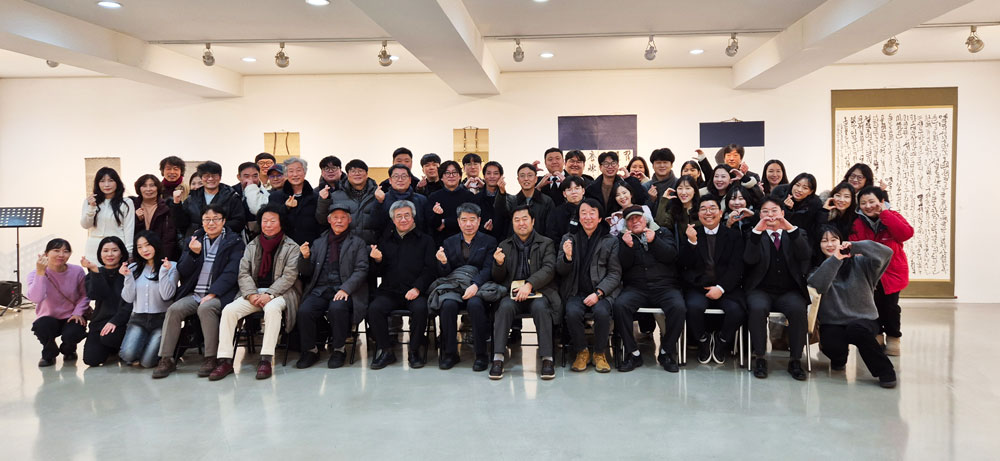
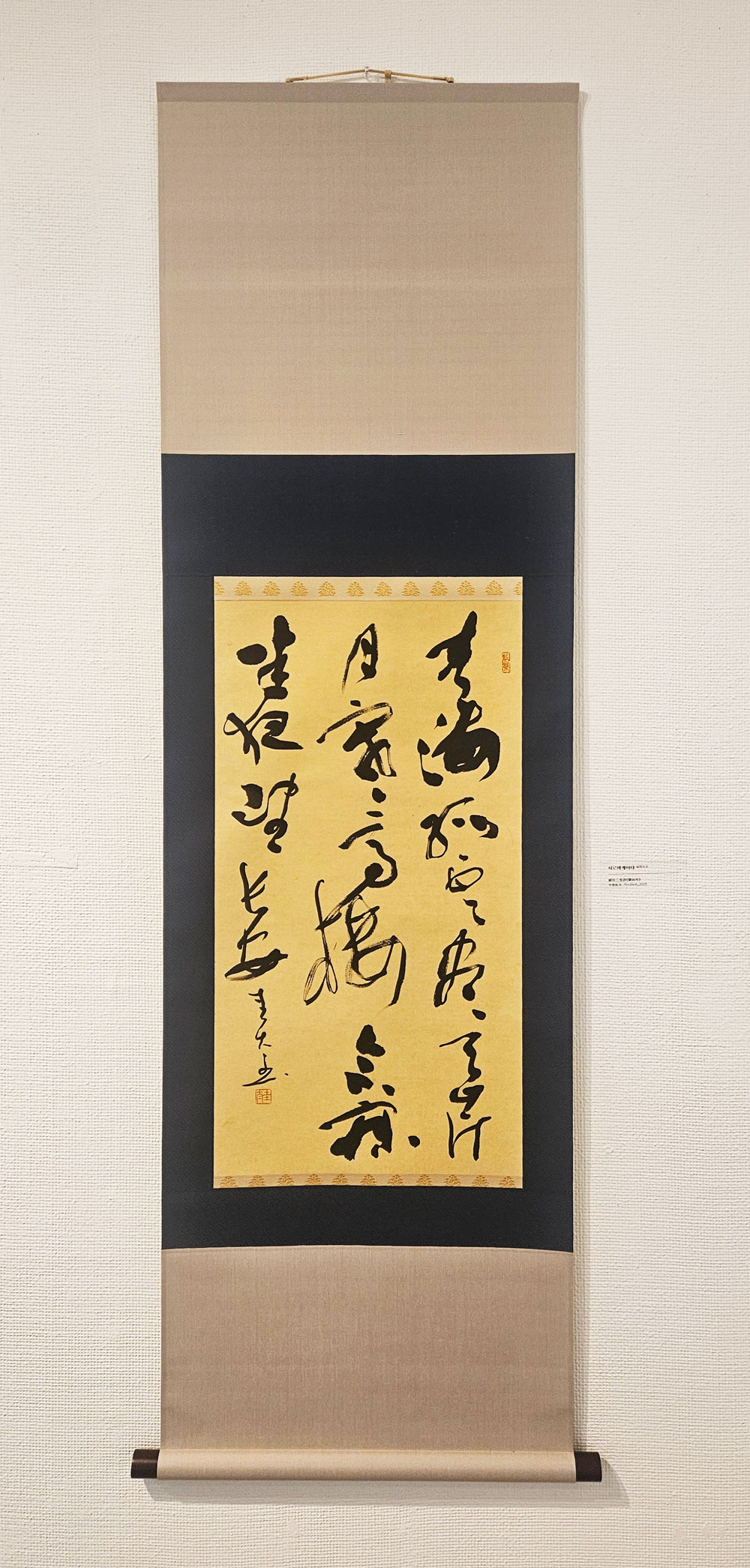
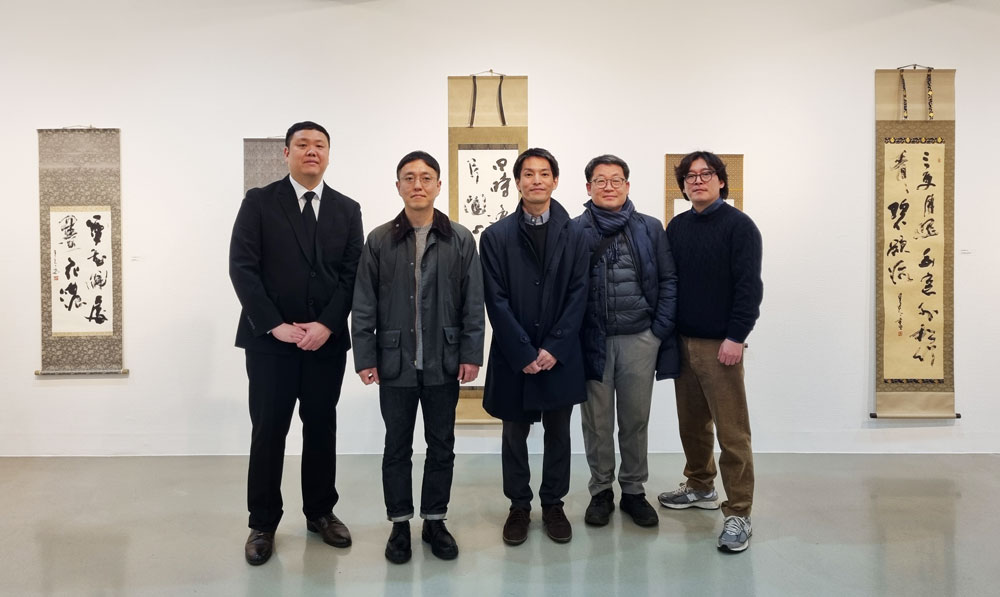
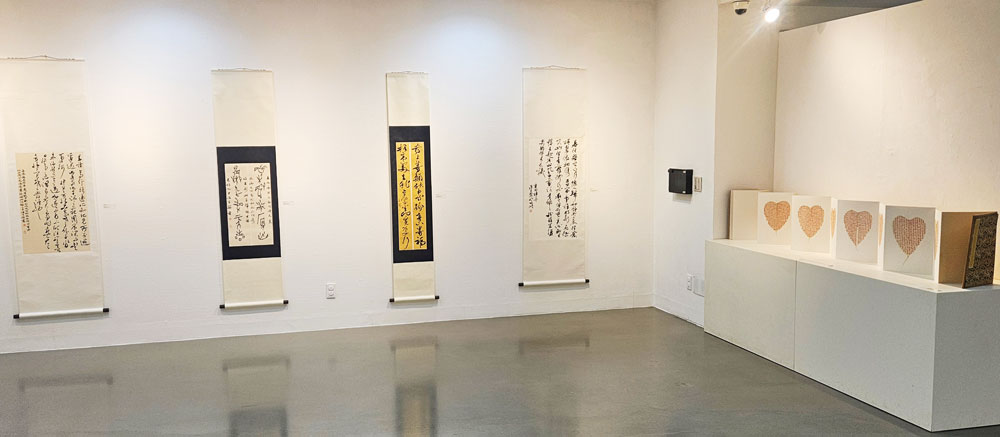
2026년 1월8일부터 14일까지 서울 인사동 백악미술관에서 동아시아 서예의 현재와 미래를 가늠하는 국제 교류전 〈Postcalligraphy〉展이 열린다.
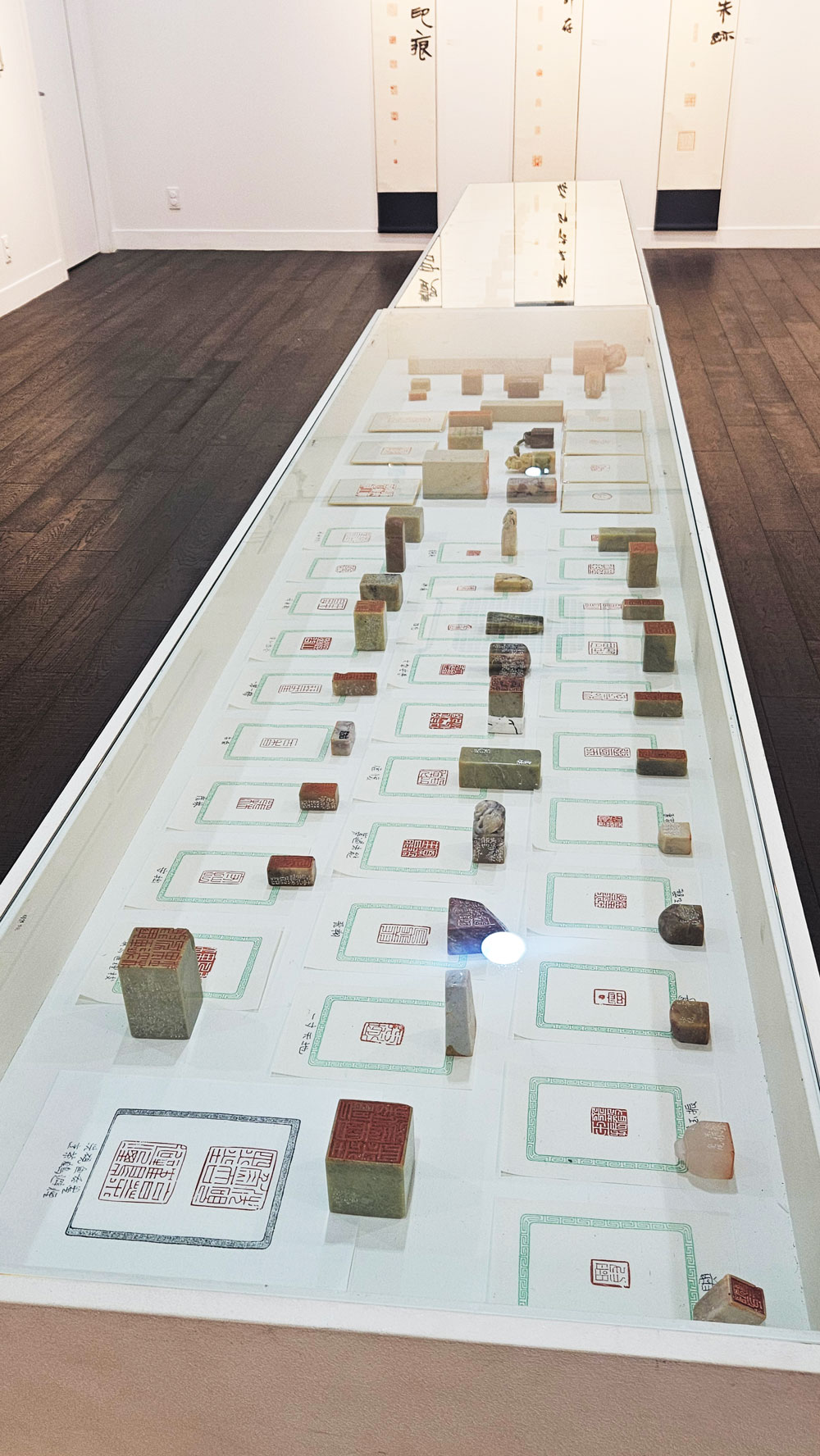
본 전시는 한국·대만·일본·말레이시아 4개국에서 활동하는 6인의 서예·전각 작가가 참여하는 국제전으로, 전통 서예의 형식과 개념을 넘어 동시대 예술로서 서예가 지닐 수 있는 확장 가능성을 심도 있게 조명한다.
이번 전시는 단순한 국가 간 교류의 차원을 넘어, 서예(書藝)가 오늘날 어떤 의미를 가질 수 있는지, 그리고 동시대 예술 속에서 어떤 질문을 던질 수 있는지를 본질적으로 묻는다.
‘Postcalligraphy’라는 전시 제목은 서예 이후(以後)를 선언하기보다, 전통에 대한 깊은 이해를 전제로 그것을 새롭게 사유하고 재구성하려는 태도를 상징한다.
‘Postcalligraphy’에서 ‘Post’는 단절이나 종언을 의미하지 않는다.
이는 과거의 서예를 극복하거나 폐기하려는 의도가 아니라, 전통을 현재의 시점에서 다시 읽고 동시대적 감각으로 확장하려는 적극적인 사유의 방향을 가리킨다.
본 전시는 서예를 단순히 문자 기록의 기술이나 미적 형식으로 규정하지 않는다.
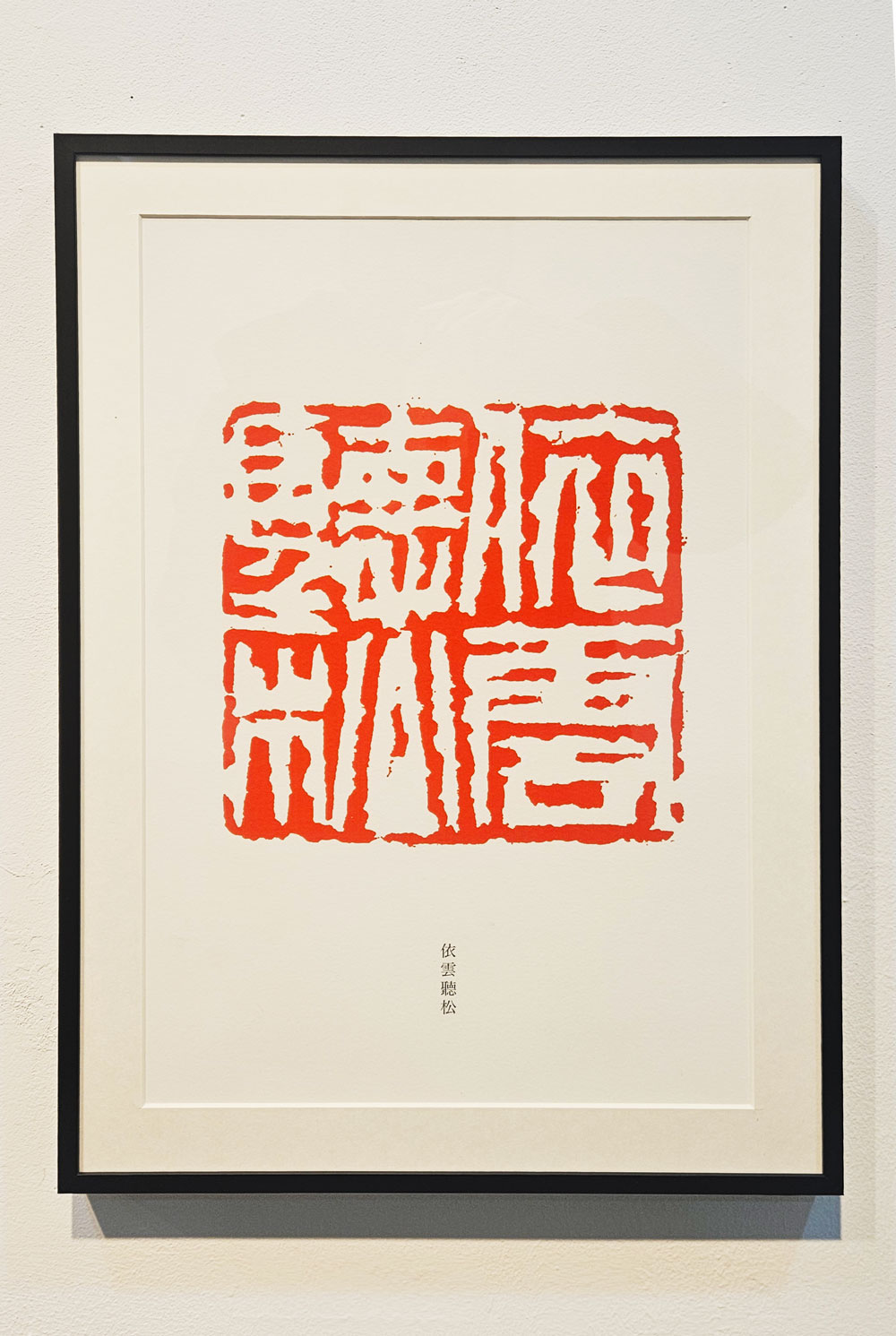
붓(筆)과 먹(墨), 종이(紙)와 칼(刀)이라는 물질적 매체를 통해 시간성(時間性), 신체성(身體性), 정신성(精神性), 그리고 언어와 공간의 관계가 어떻게 응축되고 발현되는지를 탐구한다.
이 과정에서 서예는 결과물이 아닌, 하나의 수행(修行)이자 사유의 장으로 제시된다.
한국 작가 3인 필묵의 깊이와 동시대적 감각
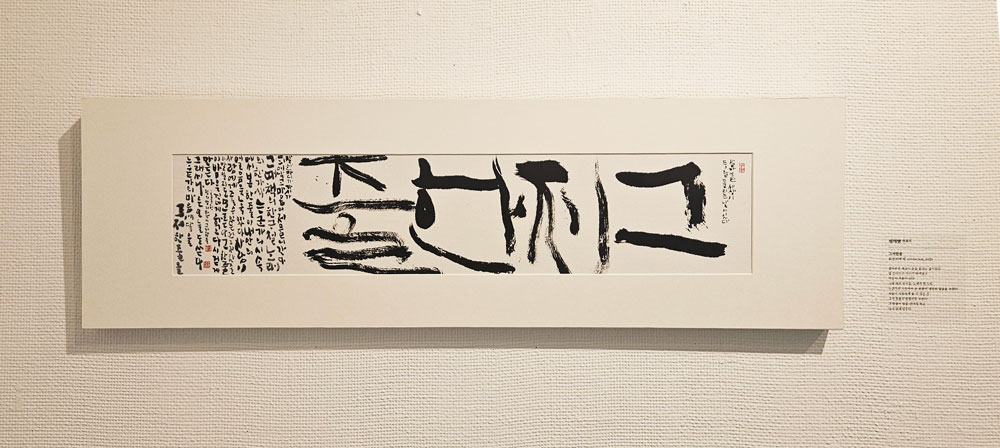
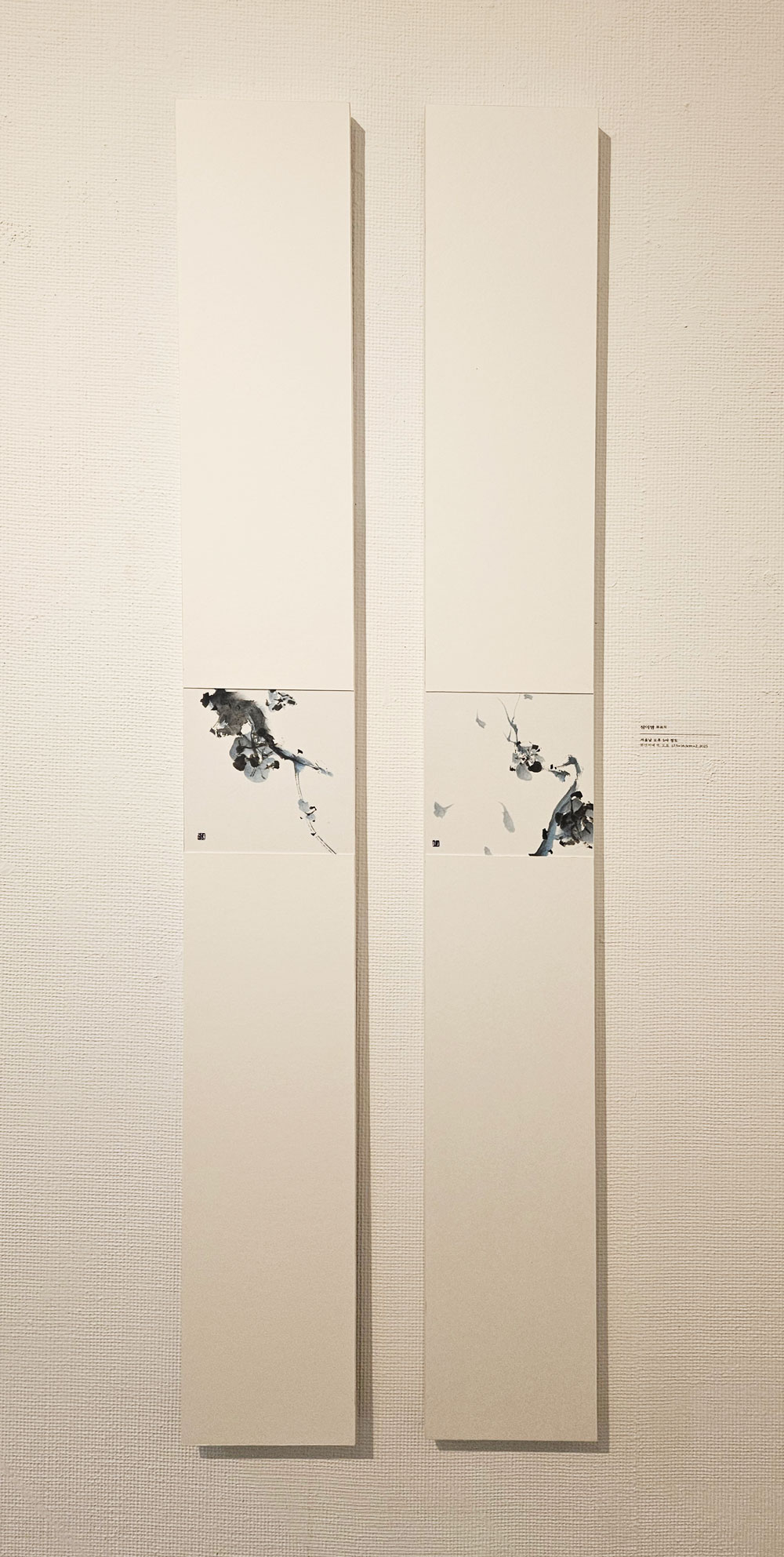
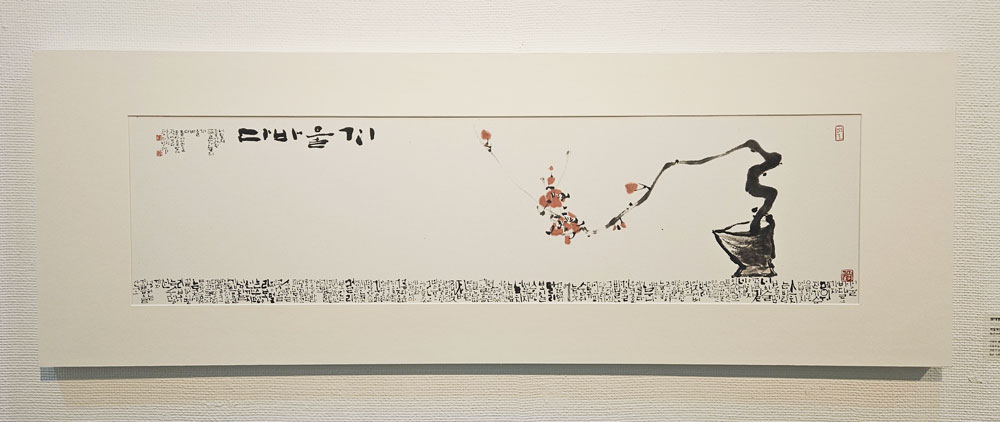
전시의 중심을 이루는 한국 작가 3인의 작업은 전통 필법(筆法)에 대한 깊은 이해를 바탕으로, 서예의 조형성과 정신성을 동시대적 언어로 확장한다.
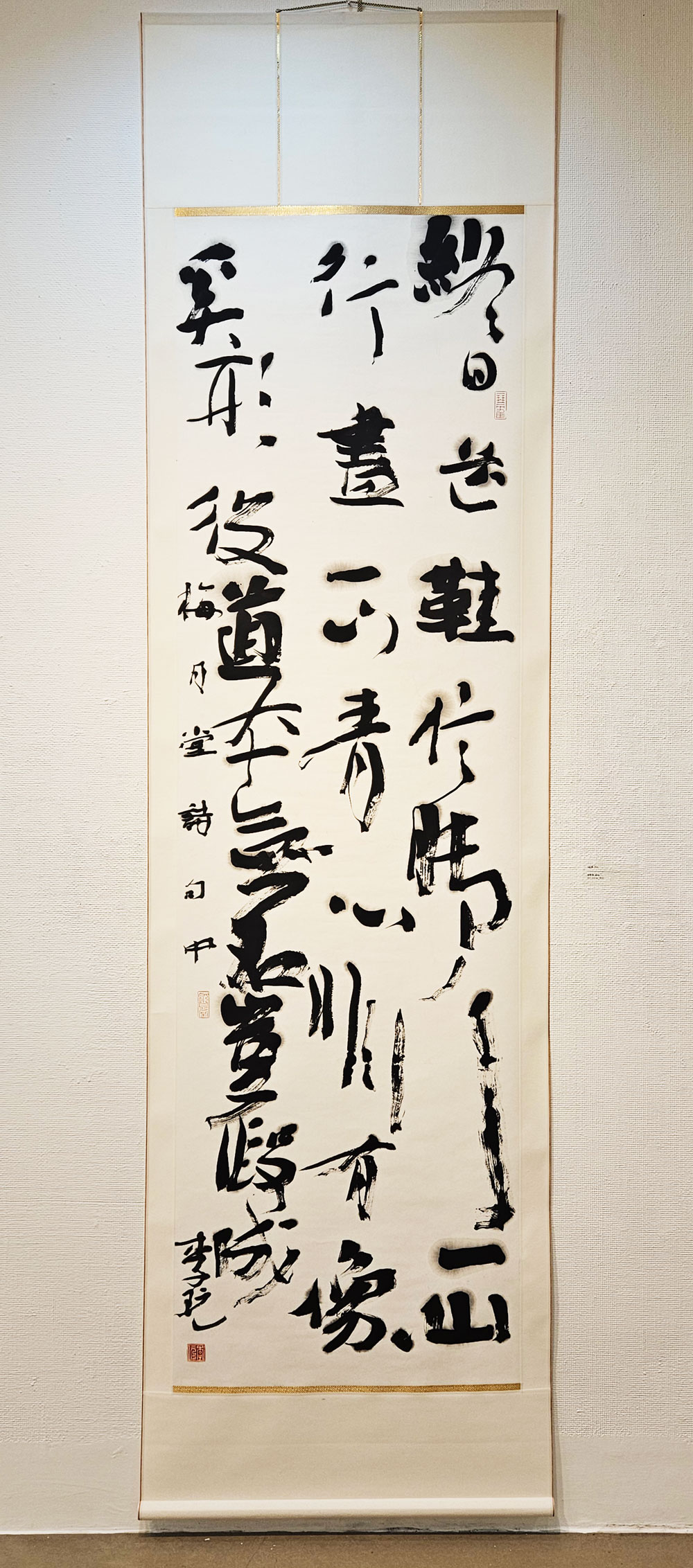
이완(李玩) 작가는 필획의 반복을 통해 시간성과 존재의 층위를 탐구한다. 그의 작업에서 먹은 단순한 색채가 아니라, 축적된 시간과 수행의 흔적이다.
화면 위에 중첩된 필획은 문자적 의미를 넘어 조형적 구조로 기능하며, 서예가 명상적이면서도 촉각적인 예술임을 드러낸다.
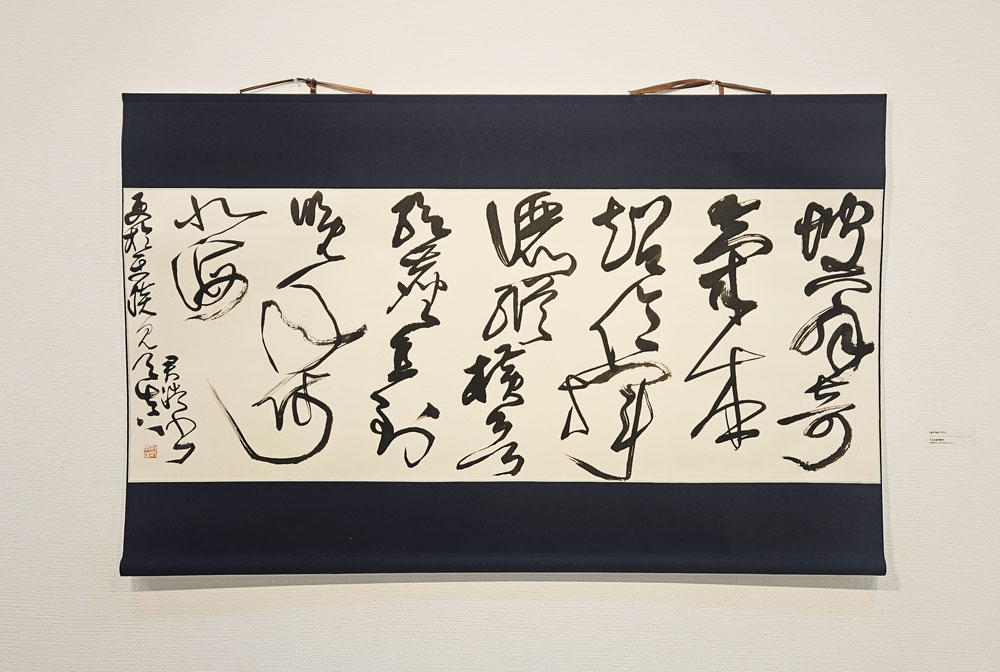
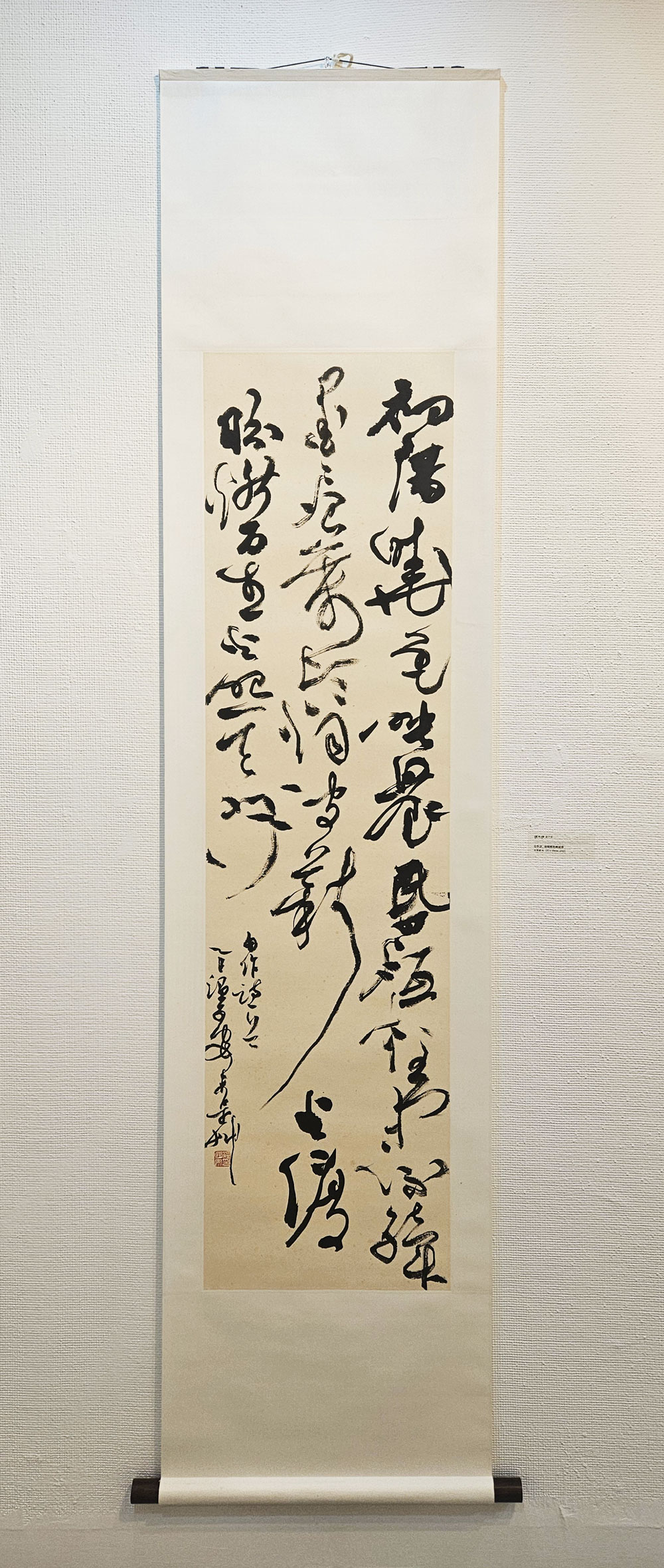
정의방(鄭義邦) 작가는 행초(行草)의 속도감과 에너지를 통해 서예의 역동성(動態性)을 강조한다.
그의 작품은 획과 획 사이의 여백(餘白)을 단순한 공백이 아닌 긴장으로 가득 찬 공간으로 설정하며, 붓의 움직임 자체를 하나의 사건처럼 제시한다.
이는 서예가 고정된 형식이 아니라 살아 있는 시간의 흐름임을 보여준다.
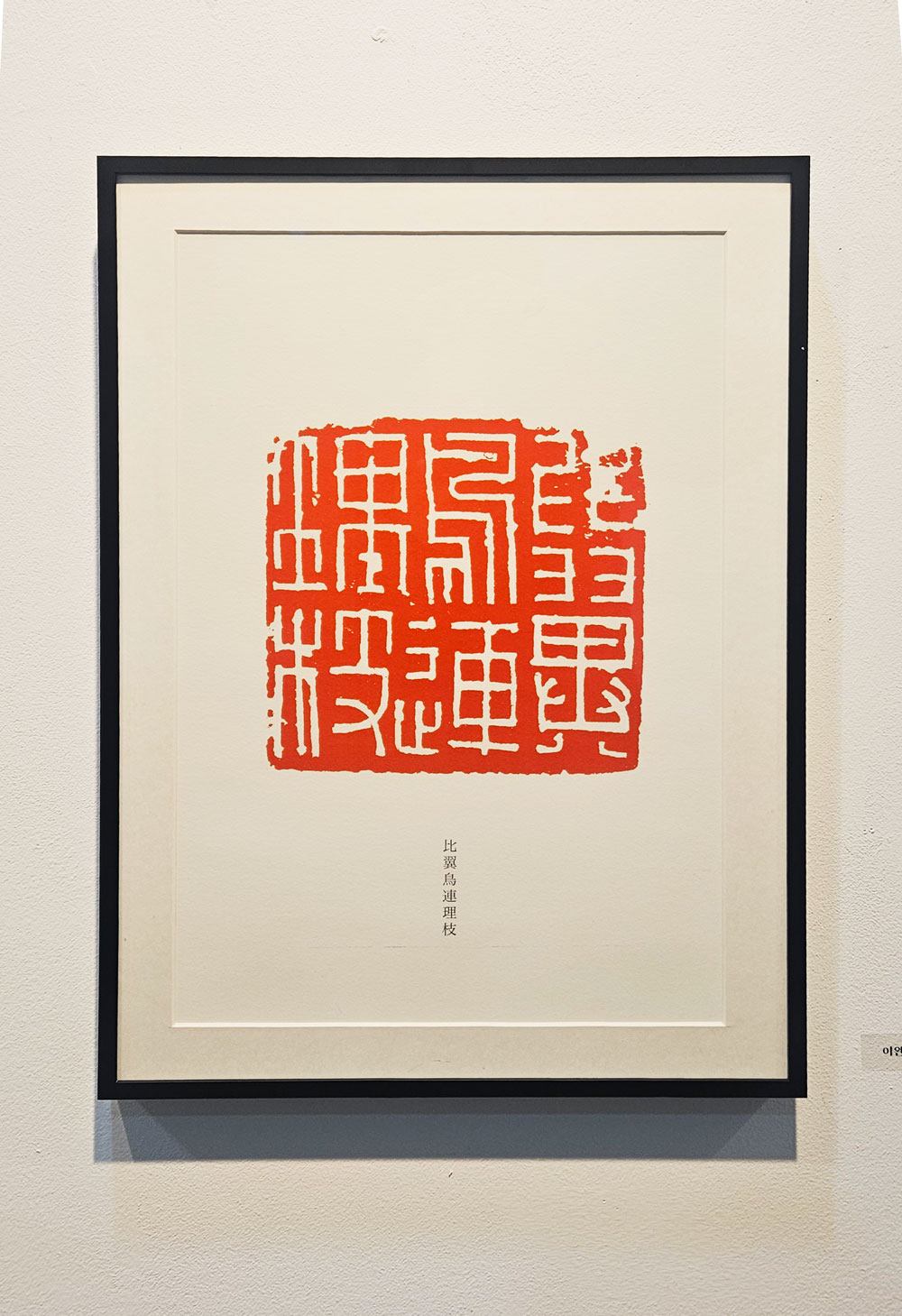
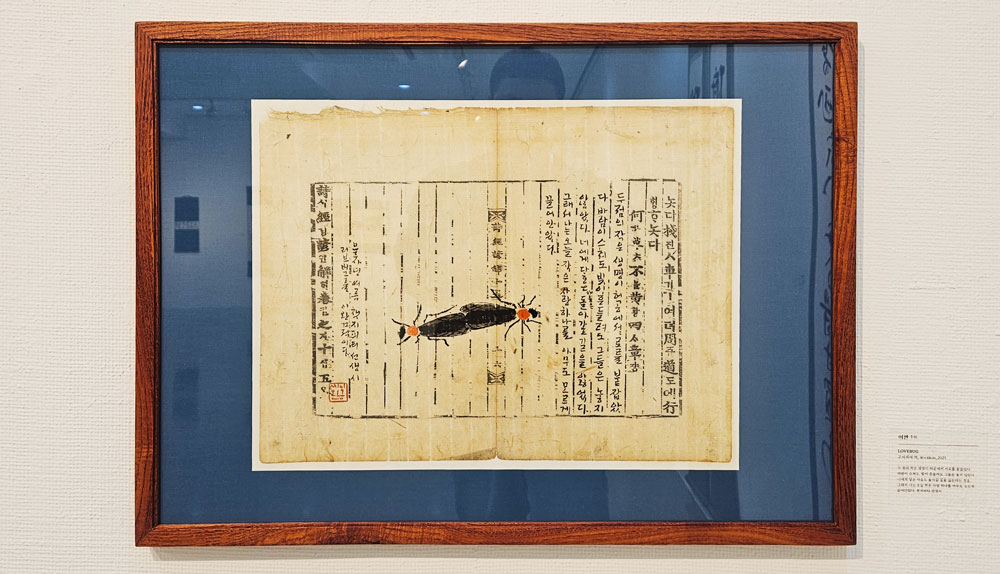
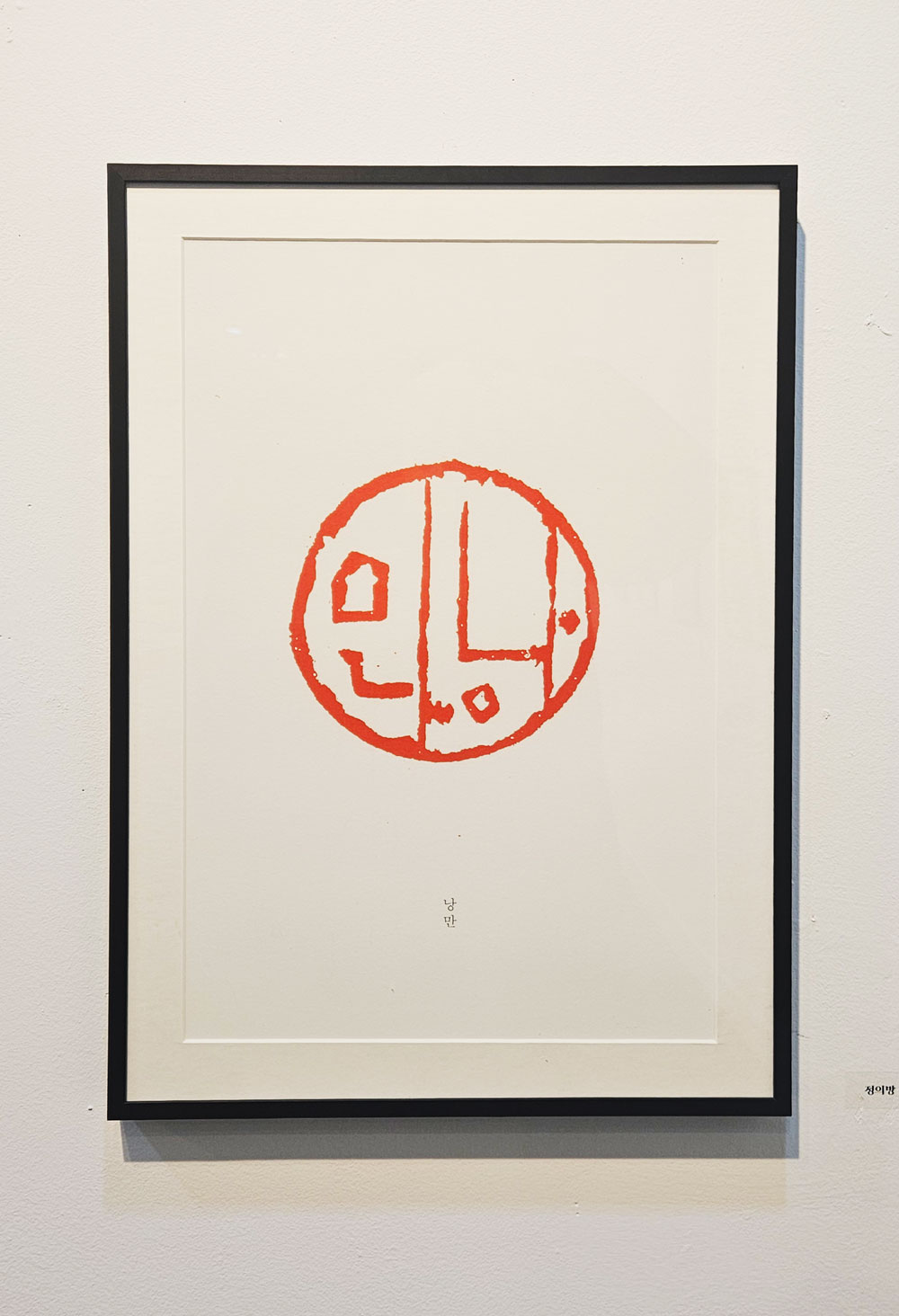
이신영(李信榮) 작가는 전통 필법의 견고함을 기반으로 문자 구조의 질서와 해체를 동시에 실험한다.
그의 작업에서 문자는 안정과 불안을 오가며 재배치되고, 서예는 회화적 조형 언어로 확장된다. 이는 전통 서예의 형식미를 존중하면서도 새로운 조형 가능성을 모색하는 시도로 읽힌다.
국경을 넘는 서예,동아시아와 동남아의 확장된 시선
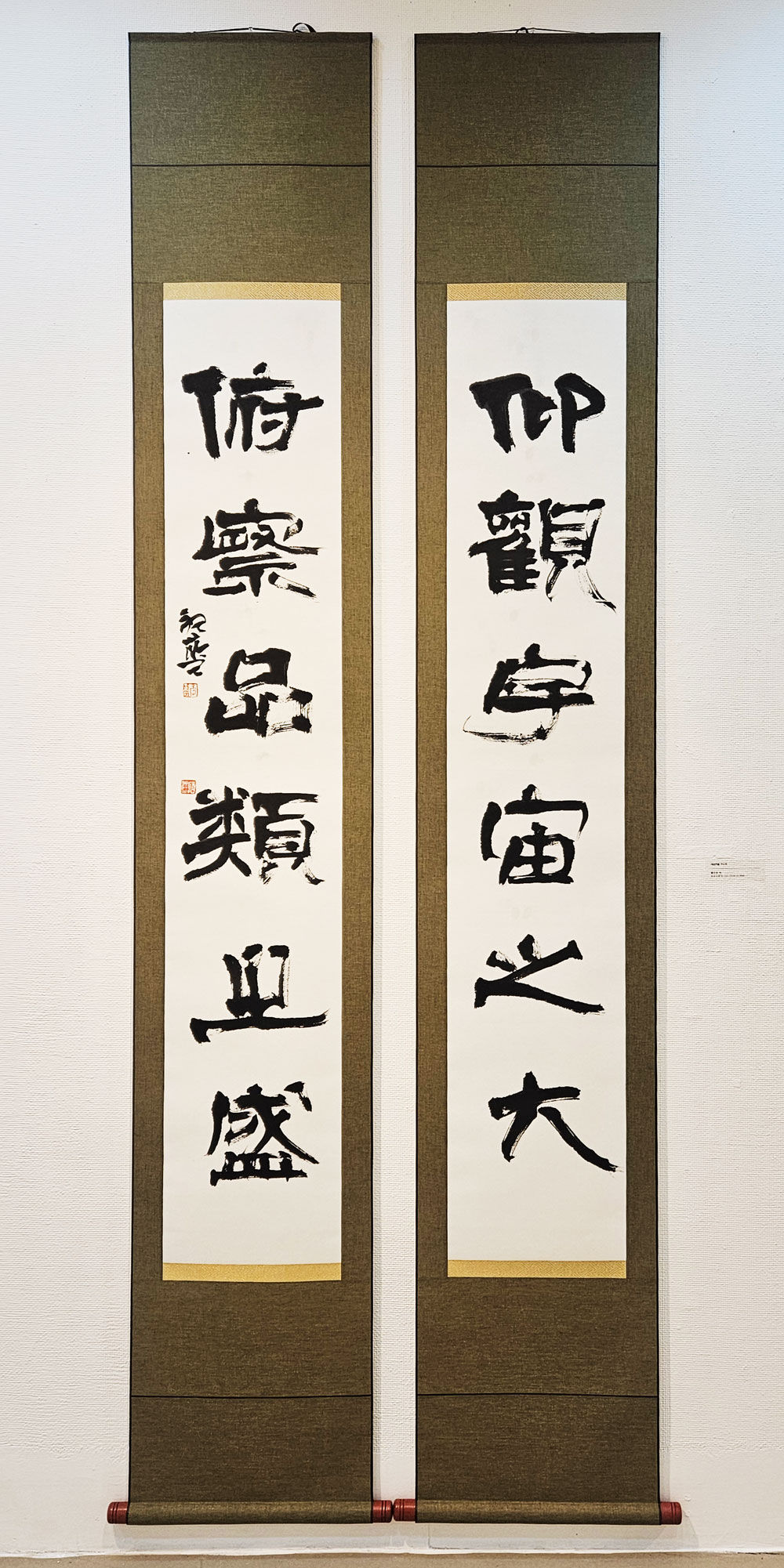
해외 작가들의 작업은 서예가 특정 지역의 전통에 머무르지 않고, 인류 보편의 미학적 언어로 기능할 수 있음을 보여준다.
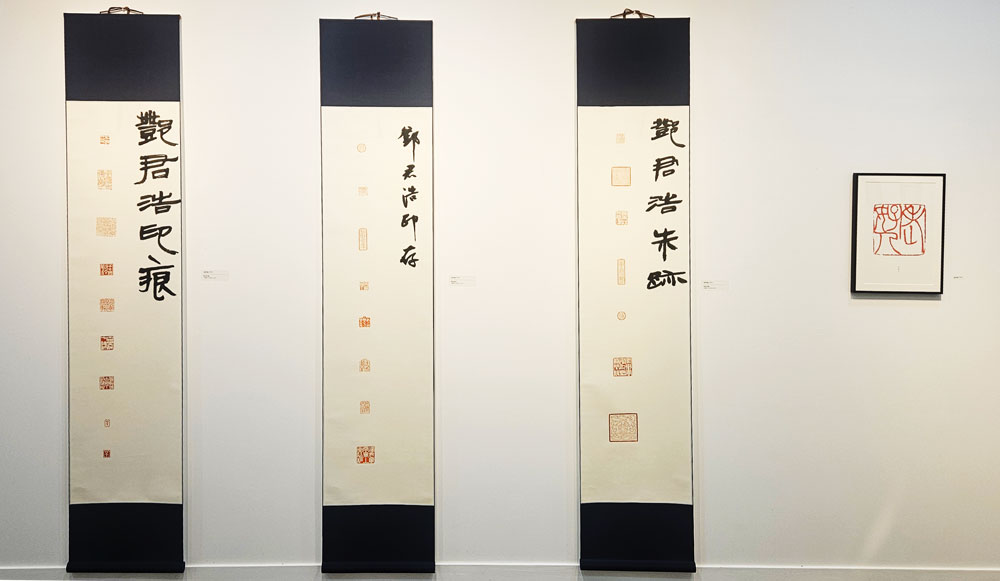
대만의 덩권하오(鄧君浩) 작가는 물질성과 문자의 관계를 탐구하며, 서예를 시간·질감·존재의 예술로 확장한다.
그의 작업은 먹의 번짐과 종이의 변화를 통해 시간의 흔적과 존재의 물리적 감각을 드러내며, 서예를 하나의 실험적 시각 언어로 제시한다.
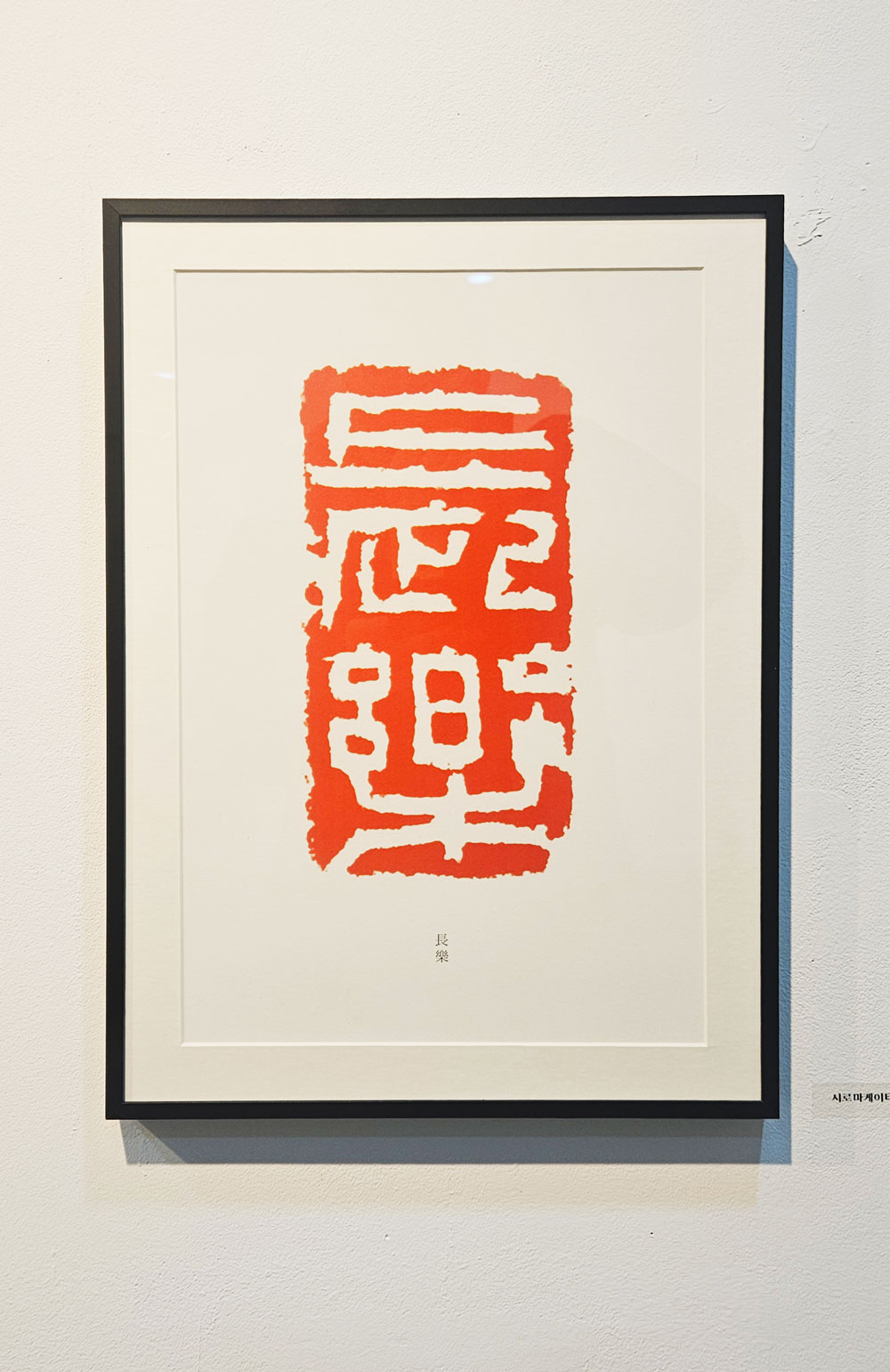
일본의 시로마케이타(城間圭太) 작가는 문자 구조와 여백의 관계를 해체하며, 동아시아 전체를 관통하는 보편적 미학 언어를 탐색한다.
그의 작업은 전통 서예의 틀을 유지하면서도 현대 미술적 조형 감각을 적극적으로 수용하여, 서예의 새로운 표준 가능성을 제시한다.
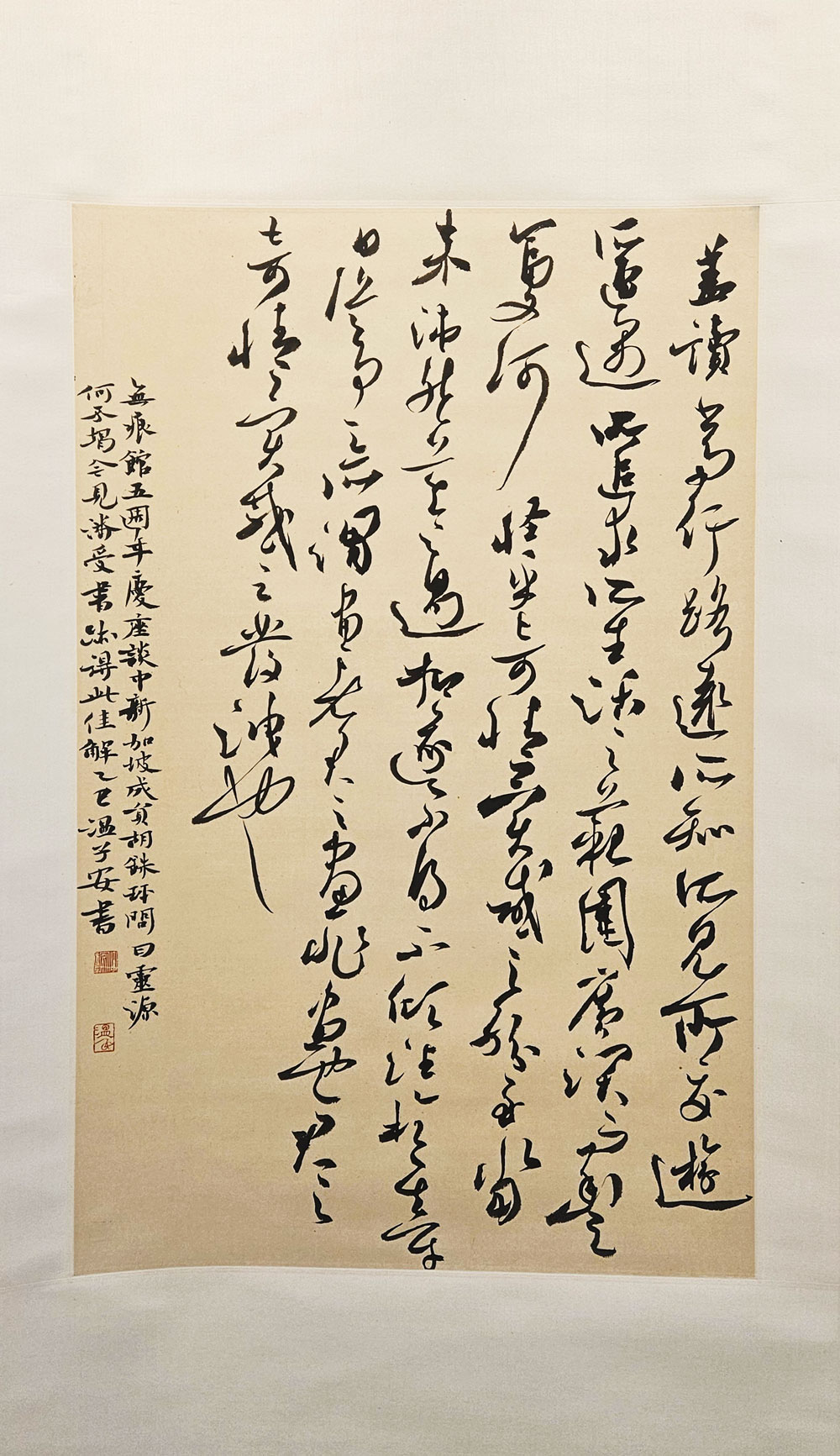
말레이시아의 원즈안(溫子安) 작가는 개인의 내면과 문화적 정체성을 서예적 언어로 풀어낸다.
그의 작품은 서예를 고백(告白)과 사유의 매체로 확장하며, 문자와 추상이 교차하는 지점을 통해 심리적 지도(Psychological Map)와 같은 서사를 구축한다.
〈Postcalligraphy〉展이 제기하는 핵심 화두는 서예의 동시대성이다. 이는 단순히 현대적 형식을 차용한다는 의미가 아니라, 오늘의 삶과 사유를 어떻게 서예라는 매체로 담아낼 것인가에 대한 질문이다.
참여 작가들은 서예를 기술적 완성도나 전통 계승의 문제로 환원하지 않는다. 오히려 서예를 삶의 태도이자 사유의 방식으로 확장하며, 동시대 예술이 요구하는 비판성과 실험성을 적극적으로 수용한다.
이 과정에서 서예는 회화, 조각, 설치, 수행적 행위의 성격까지 포괄하는 확장된 예술 장르로 기능한다.
이번 전시는 서예가 더 이상 과거의 유산이나 보존의 대상에 머물지 않음을 분명히 보여준다. 전통은 고정된 형식이 아니라, 끊임없이 재해석되고 현재화될 때 비로소 살아 있는 힘을 획득한다.
〈Postcalligraphy〉展은 동아시아 서예가 21세기라는 불확실성의 시대 속에서 어떻게 새로운 의미와 역할을 가질 수 있는지를 제시하는 중요한 사례다.
서로 다른 문화권과 작업 방식이 교차하는 이 전시는, 서예가 여전히 유효한 질문을 던질 수 있는 동시대 예술임을 조용하지만 단단하게 증명한다.
이유미/ 객원기자/ theart21
전시 정보
전시명: Postcalligraphy 展
부제: 한국·대만·일본·말레이시아 6인 국제 서예·전각 교류전
기간: 2026년 1월 8일(목) – 1월 14일(수) 12:00까지
관람시간: 10:00 – 18:00
장소: 백악미술관 1·2·3층 전관 (서울특별시 종로구 인사동9길 16)
Questioning the Present of East Asian Calligraphy A Contemporary Inquiry into “Postcalligraphy” by Six Artists
From January 8 to 14, 2026, the international exchange exhibition 〈Postcalligraphy〉 will be held at Baekak Art Museum in Insa-dong, Seoul, offering a critical reflection on the present and future of East Asian calligraphy. This exhibition brings together six calligraphy and seal-engraving artists from four countries—Korea, Taiwan, Japan, and Malaysia—and closely examines the expanded possibilities of calligraphy as a form of contemporary art beyond its traditional forms and concepts. More than a simple cross-national exchange, the exhibition fundamentally asks what calligraphy can mean today, and what kinds of questions it can pose within contemporary art. The exhibition title Postcalligraphy does not declare an end to calligraphy; rather, it symbolizes an attitude of rethinking and reconfiguring tradition on the basis of a profound understanding of it. In Postcalligraphy, the prefix “post” does not signify rupture or termination. It does not aim to overcome or discard traditional calligraphy, but instead points toward an active mode of thinking that rereads tradition from the present moment and expands it through contemporary sensibilities. This exhibition does not define calligraphy merely as a technique of recording characters or as a formal aesthetic practice. Through material media such as brush, ink, paper, and knife, it explores how temporality, corporeality, spirituality, and the relationship between language and space are condensed and manifested. In this process, calligraphy is presented not as a final product, but as a form of practice—an arena of contemplation and discipline.
Three Korean Artists: Depth of Brush and Ink with Contemporary Sensibility At the core of the exhibition are the works of three Korean artists, who expand the formal and spiritual dimensions of calligraphy into a contemporary visual language grounded in a deep understanding of traditional brush techniques. Lee Wan explores layers of time and existence through repetitive brushstrokes. In his work, ink functions not merely as color but as an accumulation of time and traces of disciplined practice. The overlapping strokes operate beyond linguistic meaning, forming sculptural structures that reveal calligraphy as a meditative yet tactile art form. Jung Eui-bang emphasizes the dynamism of calligraphy through the speed and energy of semi-cursive and cursive scripts. In his works, the space between strokes is not an empty void but a field charged with tension, presenting the movement of the brush itself as an event. His practice demonstrates that calligraphy is not a fixed form but a living flow of time. Lee Shin-young experiments simultaneously with order and deconstruction within the structure of characters, based on the solidity of traditional brush methods. In his work, characters are rearranged between stability and instability, expanding calligraphy into a painterly visual language. This approach respects the formal beauty of traditional calligraphy while actively seeking new compositional possibilities.
Calligraphy Beyond Borders: Expanded Perspectives from East and Southeast Asia The works of the international artists demonstrate that calligraphy is not confined to regional traditions, but can function as a universal aesthetic language. Taiwanese artist Deng Jun-Hao investigates the relationship between materiality and written form, expanding calligraphy into an art of time, texture, and existence. Through ink diffusion and the physical transformation of paper, his work reveals traces of time and embodied presence, presenting calligraphy as an experimental visual language. Japanese artist Shiroma Keita deconstructs the relationship between character structure and negative space, seeking a universal aesthetic language that traverses East Asia. While maintaining the framework of traditional calligraphy, his work actively embraces contemporary visual sensibilities, proposing new standards for calligraphy in the present. Malaysian artist Wen Zi-An articulates inner consciousness and cultural identity through calligraphic language. His works expand calligraphy into a medium of confession and reflection, constructing narrative structures akin to psychological maps at the intersection of text and abstraction.
The central question posed by 〈Postcalligraphy〉 is the contemporaneity of calligraphy—not merely the adoption of modern forms, but how today’s life and modes of thinking can be embodied through the medium of calligraphy. The participating artists refuse to reduce calligraphy to technical mastery or the inheritance of tradition alone. Instead, they expand it into a way of life and a mode of thought, actively embracing the criticality and experimental spirit demanded by contemporary art. In this process, calligraphy functions as an expanded artistic field encompassing painting, sculpture, installation, and performative practice. This exhibition clearly demonstrates that calligraphy no longer remains a relic of the past or an object of preservation. Tradition is not a fixed form; it gains vitality only through continual reinterpretation and actualization in the present. 〈Postcalligraphy〉 offers an important example of how East Asian calligraphy can acquire new meaning and roles amid the uncertainties of the 21st century. Through the intersection of diverse cultural backgrounds and artistic approaches, the exhibition quietly yet firmly proves that calligraphy remains a contemporary art form capable of posing relevant and enduring questions.
Lee Yu-mi / Guest Reporter/ theart21
Exhibition Information
Title: Postcalligraphy
Subtitle: International Calligraphy & Seal Engraving Exchange Exhibition by Six Artists from Korea, Taiwan, Japan, and Malaysia
Dates: January 8 (Thu) – January 14 (Wed), 2026 (until 12:00 PM on the final day)
Hours: 10:00 AM – 6:00 PM
Venue: Baekak Art Museum, 1st–3rd Floors (16, Insadong 9-gil, Jongno-gu, Seoul)
|




 목록
목록